
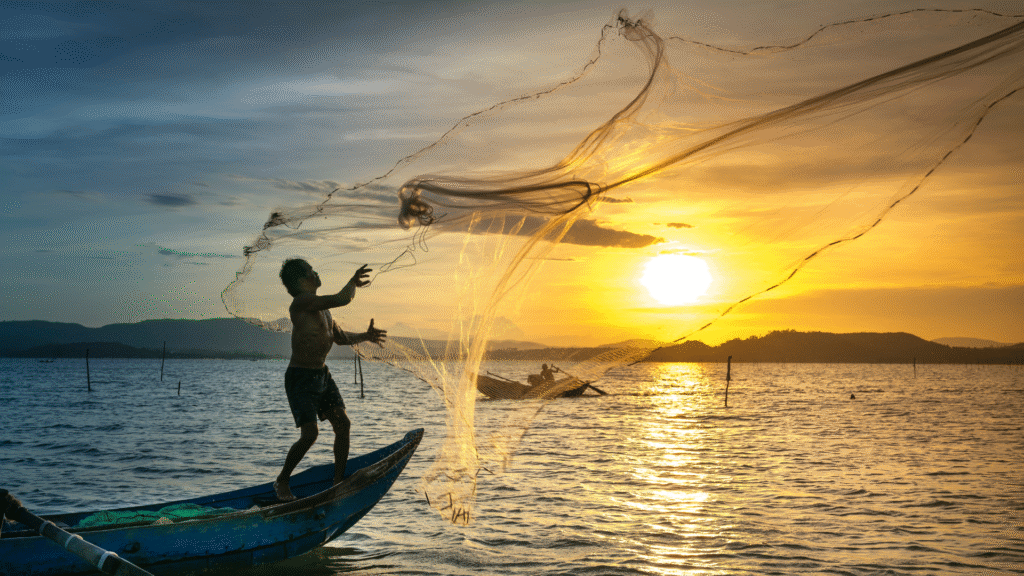
Fishing can be a rewarding experience, allowing individuals to connect with nature while enjoying a favourite pastime. As concerns about environmental sustainability grow, many anglers are eager to explore methods that minimise their impact. Using eco-friendly fishing techniques not only protects aquatic ecosystems but also ensures that fishing remains a viable activity for future generations.
Choosing the right gear is essential for responsible fishing. For example, gear such as the Shimano Tiagra Game Reel can improve handling and efficiency, making it easier to practice eco-friendly fishing and minimize harm to aquatic ecosystems. Biodegradable lures, lead-free weights, and sustainable fishing lines can also significantly reduce pollution in water bodies. Additionally, practising catch and release contributes to maintaining fish populations and encourages a healthier aquatic environment.
By adopting eco-friendly practices, anglers play an important role in conserving natural resources. This blog will explore various methods and tips for fishing that align with environmental stewardship, ensuring a sustainable approach to this beloved activity. Whether pursuing inshore or offshore species, finding reputable services that understand these principles is key. For those seeking world-class sportfishing experiences, exploring Costa Rica fishing charters (or similar elsewhere) offers opportunities to engage with marine life responsibly in stunning natural environments.
Understanding Eco-Friendly Fishing
Eco-friendly fishing prioritises the health of aquatic ecosystems. It aims to reduce the environmental impact associated with traditional fishing methods.
Key Principles:
- Biodiversity Preservation: Fishing practices should protect various species. This helps maintain balanced ecosystems.
- Overfishing Awareness: Sustainable fishing avoids depleting fish populations. It ensures that species have time to reproduce and thrive.
- Low Ecological Footprint: Techniques that minimize disruptions to marine environments are preferred. These methods help maintain natural habitats.
Fishing Techniques:
- Catch and Release: This practice allows anglers to return fish to the water unharmed. It promotes population recovery.
- Selective Fishing Gear: Using nets and hooks that target specific species reduces bycatch. This protects non-target species from harm.
- Seasonal and Local Fishing: Engaging in fishing during appropriate seasons and in local waters reduces pressure on distant fisheries.
Impact Reduction Strategies:
- Education and Awareness: Anglers should stay informed about sustainable practices. Understanding local regulations contributes to responsible fishing.
- Support Sustainable Fisheries: Buying fish from certified sustainable sources encourages responsible fishing practices.
Eco-friendly fishing not only conserves wildlife but also ensures the continued enjoyment of fishing for future generations.
Best Practices for Sustainable Fishing
Practising sustainable fishing is vital for the health of aquatic ecosystems. By making conscious choices about seafood, gear, and regulations, anglers can contribute to the preservation of fish populations and mitigate environmental impacts.
Selecting Sustainable Seafood
Choosing sustainable seafood involves purchasing fish that come from well-managed and responsibly harvested sources. Resources like the Monterey Bay Seafood Watch or NOAA’s FishWatch provide comprehensive guides to sustainable options.
Key criteria include:
- Harvesting Methods: Look for seafood caught using methods that minimise bycatch and habitat damage.
- Farming Practices: Opt for aquaculture operations that use low-impact practices, avoiding those that pollute local waters.
- Species Health: Check the health of fish populations. Avoid overfished species and select alternatives that are abundant.
Using Eco-Friendly Gear and Bait
Selecting eco-friendly fishing gear and bait minimises environmental harm. Anglers should consider the following:
- Biodegradable Lines: Use fishing lines made from materials that break down over time, reducing plastic waste in oceans.
- Non-toxic Weights: Opt for sinkers made from materials like steel or brass instead of lead, which is harmful to wildlife.
- Natural Baits: Choose live or natural baits instead of synthetic ones. This helps reduce the introduction of harmful chemicals into aquatic environments.
Using sustainable gear not only protects ecosystems but also supports biodiversity.
Adhering to Fishing Regulations
Complying with fishing regulations is essential for maintaining fish populations and protecting habitats. Anglers should:
- Know Local Laws: Familiarise themselves with local fishing regulations regarding size limits, seasons, and catch limits.
- Participate in Monitoring Programs: Get involved in local catch-reporting initiatives to help regulatory agencies assess fish populations.
- Respect Protected Areas: Avoid fishing in designated marine protected areas to allow ecosystems to thrive and recover.
By following these guidelines, individuals contribute to the conservation of marine life amid challenges like climate change and pollution.
Contribution of Aquaculture to Sustainability
Aquaculture plays a crucial role in promoting sustainability within the fishing industry. By employing responsible practices, fish farming can alleviate pressure on wild fish populations while enhancing the environment. The following points discuss several significant aspects of sustainable aquaculture.
Sustainable Aquaculture Practices
Sustainable aquaculture encompasses methods that reduce environmental impact and ensure fish are farmed responsibly. Key practices include polyculture, which involves farming multiple species together, leading to efficient resource use. For instance, integrating fish with plants or shellfish can create a balanced ecosystem.
Feed efficiency is another critical factor. Aquaculture often relies on fishmeal and fish oil. Innovations are underway to substitute these with plant-based feeds. This not only lowers reliance on wild fish but also reduces carbon footprints. Implementing technology in monitoring water quality and fish health also contributes to sustainability by minimising resource waste.
The Significance of Fishmeal and Fish Oil
Fishmeal and fish oil are integral to aquaculture, serving as primary protein sources for fish diets. However, sourcing these components poses sustainability challenges. Wild fish stocks can suffer when too much is harvested for feed.
Recent advancements aim to make fishmeal production more sustainable. Efforts include using bycatch or farming low-impact species. Additionally, researchers are exploring alternatives such as insect protein or algae, designed to replace traditional fishmeal without sacrificing nutritional quality.
Efforts in Kenya have also highlighted the use of local resources to produce fish feed. These initiatives support local economies while ensuring that sustainability remains at the forefront of aquaculture.
Protecting Mangroves and Ecosystems
Mangroves are vital for coastal ecosystems, offering habitat for various marine species and acting as natural buffers against erosion. Sustainable aquaculture practices can enhance mangrove protection.
Responsible fish farming can help restore and safeguard mangrove habitats. Integrated Coastal Zone Management promotes the coexistence of fish farms and mangroves, ensuring that neither is compromised.
In regions like Kenya, this approach has been essential for local communities, enabling them to maintain their livelihoods while protecting critical ecosystems. Programs that educate farmers about the ecological importance of mangroves have led to effective preservation efforts, supporting both aquatic habitats and agriculture.
Global Efforts and Local Impact
Various initiatives worldwide focus on sustainable fishing practices, emphasising the importance of international cooperation and community-driven conservation efforts. These approaches not only enhance fish populations but also reduce ecological footprints in diverse regions, including Mali and Kenya.
International Cooperation
Global agreements play a vital role in promoting sustainable fisheries. Organisations like the Food and Agriculture Organisation (FAO) work with countries to establish best practices and guidelines. For instance, the United Nations Sustainable Development Goals (SDGS) advocate for responsible consumption and production patterns.
In Mali, programs funded by international bodies aim to protect aquatic ecosystems. These initiatives stress the need for biodiversity and sustainable fish stock management. Kenya has also engaged in regional partnerships to monitor fish catches and reduce illegal fishing. Collaboration on policy-making leads to better enforcement of regulations and sustainable practices.
Community-Driven Conservation
Local communities significantly influence sustainable fishing practices. Grassroots movements often champion conservation efforts tailored to specific environments. In Mali, fishermen are increasingly adopting techniques that minimise bycatch, promoting the survival of non-target species.
In Kenya, community-based management has shown effectiveness in preserving marine resources. Fishery groups enforce local regulations, ensuring fish populations recover sustainably. By engaging local fishers in decision-making, communities can mitigate their ecological footprints and promote long-term environmental health. Collaborative monitoring further empowers locals to protect their marine environments.