
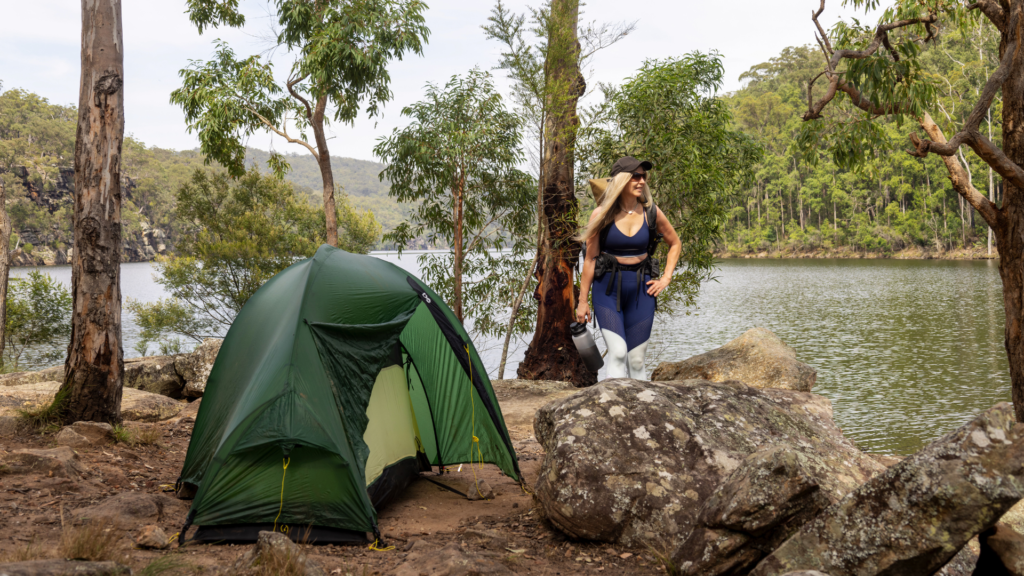
Preparing for a multi-day hiking adventure requires careful planning and practical gear selection. The key to a successful trip is balancing essential supplies with lightweight packing to maintain energy and safety throughout the journey. Understanding the terrain, weather, and your physical limits plays a crucial role in preparation.
Hikers should focus on reliable navigation tools, sufficient food and water, proper clothing layers, and emergency equipment. Mental readiness and physical conditioning also significantly impact the overall experience and safety during extended time on the trail.
Planning Your Multi-Day Hiking Adventure
Proper planning is essential for a successful multi-day hiking trip. It involves choosing a suitable trail, securing necessary permits, and assessing trail and weather conditions to ensure safety and readiness.
Selecting the Right Trail
Choosing the right trail depends on experience, physical fitness, and preferences. Resources like AllTrails offer detailed information on trail length, elevation gain, difficulty, and user reviews.
He or she should match trail demands with their ability to avoid exhaustion or injury. Reviewing maps—especially topographic maps—helps understand terrain features and camping spots. Trails with clear trail markers reduce navigation errors. Planning daily hiking distances realistically avoids overexertion.
Packing lists should align with trail challenges and expected weather. Prioritise trails that fit the allotted time and have access to water sources.
Understanding Permits and Regulations
Many popular multi-day hiking trips require permits. These control visitor numbers and protect natural resources. He or she should research permit application deadlines and fees well in advance.
Permits often limit group size and camping locations. Regulations may include restrictions on campfires, waste disposal, and wildlife interaction. Compliance reduces environmental impact and legal risks.
Checking official park or forest websites ensures access to current rules. Some areas may require self-registration permits at trailheads. Carrying permits visible during the hike is usually mandatory.
Evaluating Trail and Weather Conditions
Trail conditions vary with season, recent weather, and maintenance. Before the trip, hikers should check trail reports on official sites or platforms like AllTrails. Wet or muddy trails increase injury risk and slow progress.
Weather forecasts require daily monitoring. Sudden changes in temperature, precipitation, or wind affect safety and comfort. Preparing for conditions—such as extra layers or rain gear—is critical.
Tools like a topographic map and GPS assist with navigation if trails deviate due to weather damage. Knowing elevation gain helps anticipate strenuous sections under weather stress.
Essential Gear and Packing Strategies
Effective gear choices and packing methods ensure safety, comfort, and efficiency on multi-day hikes. Prioritising lightweight, multifunctional equipment and organising items for quick access helps maintain energy and readiness during the trip.
Backpack and Carry System
The backpack is the foundation of gear management. Choose one with a capacity of 50-70 litres to accommodate all essentials without excessive weight. It should have padded shoulder straps, a hip belt, and adjustable suspension to distribute weight evenly.
Hydration systems or reservoirs integrated into the pack simplify water access. Include external pockets for items like a headlamp, a map, or snacks such as energy bars and trail mix.
Packing cubes or waterproof stuff sacks keep gear organised and protected from moisture. Heavier items, like a portable stove or multi-tool, should be placed close to the back for balance. Regularly check and adjust fit during the hike to prevent strain.
Sleeping Setup and Shelter
A reliable shelter protects from the elements and aids restful sleep. Lightweight tents with a rainfly and mesh provide ventilation and weather resistance. Hammocks can be an alternative in forested areas, but require additional rain covers and bug nets.
Select a sleeping bag rated for temperatures slightly lower than expected nighttime lows. Compressed sleeping pads improve insulation and comfort on uneven ground.
Keep your sleeping system compact by using compression sacks. Test setup and takedown before the trip to ensure efficiency. Consider weight and packability alongside durability.
Cooking and Food Preparation
Efficient meal preparation conserves energy. A compact portable stove with fuel canisters is preferred for multi-day journeys. Pair it with lightweight, durable cookware designed for easy cleaning.
Dehydrated meals save weight and cooking time. Add snacks like trail mix, energy bars, and dried fruits for quick energy boosts. Store food in sealable bags to protect from moisture and wildlife.
Water filters or purification tablets are critical for safe hydration. Carry extra fuel and utensils to avoid inconveniences. Plan meals to balance calories and nutrition, tailored to the activity level.
Clothing and Weather Protection
Layering is key to adapting to changing conditions. Start with moisture-wicking hiking socks and base layers to manage sweat. Mid-layers like fleece provide insulation, and a waterproof jacket offers protection from rain and wind.
Proper hiking boots reduce the risk of injury and improve comfort. Break them in before the adventure. Pack extra socks and lightweight gloves for warmth.
Include a wide-brimmed hat or cap for sun protection and a headlamp for visibility after dark. Keep clothing compact and prioritise materials that dry quickly.
Preparation and Physical Conditioning
Preparing for multi-day hiking requires focused training to build both physical endurance and strength. Conditioning the body through targeted exercises and practice hikes improves stamina and reduces injury risk. Consistent effort in these areas supports safer and more enjoyable outdoor experiences.
Building Endurance and Stamina
Endurance is critical for multi-day hikes, as hikers must sustain prolonged physical activity. To build stamina, regular aerobic exercises like running, cycling, or brisk walking should be incorporated at least 3-4 times weekly. Gradually increasing duration and intensity enhances cardiovascular fitness.
Walking on varied terrain mimics hiking conditions and trains the muscles used on trails. Incorporating interval training, alternating between high and moderate intensity, also boosts stamina. Hydration and nutrition strategies practised during training sessions prepare the body for sustained effort.
Strength Training for Hikers
Strength training focuses on muscles most engaged during hiking: legs, core, and upper body. Exercises such as squats, lunges, deadlifts, and step-ups enhance leg power and endurance. Core work, like planks and Russian twists, improves balance and reduces fatigue.
Upper body strength supports carrying a backpack and navigating rough terrain. Push-ups and rows develop shoulder and arm muscles. Aim for 2-3 strength sessions per week, emphasising proper form and gradual progression in resistance or repetitions.
Practice and Training Hikes
Practice hikes are essential for adapting the body and testing gear. Starting with shorter day hikes on similar terrain builds muscle memory and assesses endurance. Increasing distance and pack weight over time mirrors multi-day demands.
Training hikes allow adjustment of pacing, food intake, and gear setup. Documenting these details helps identify and address weaknesses. Regular practice hikes improve confidence, reducing surprises on the actual adventure.
Navigation, Safety, and Responsible Hiking
Effective navigation, thorough safety preparation, and minimising environmental impact are essential for multi-day hiking. Using reliable tools, knowing emergency protocols, and following ethical hiking practices ensure a safer and more enjoyable experience.
Navigation Tools and Techniques
Hikers should carry a compass, a GPS device, and up-to-date topographic maps. The compass and map help track location without relying solely on batteries. A GPS device offers precise positioning but requires spare batteries or power banks.
Learning to read contour lines and landmarks on maps improves route planning. Frequent position checks prevent getting off-trail. Using apps with offline maps can supplement paper maps, but must not replace traditional navigation skills.
Safety and Emergency Preparedness
A well-stocked first aid kit is critical for treating minor injuries. Hikers should know how to use its contents. Carrying a personal locator beacon (PLB) or satellite phone provides a direct line to emergency responders when out of cellular range.
Before hiking, registering plans with a trusted contact is prudent. Understanding weather forecasts and adjusting plans limits risk. Knowing basic survival skills and carrying sufficient food and water improve readiness for unexpected delays.
Leave No Trace and Environmental Awareness
Hikers must follow Leave No Trace principles to reduce environmental impact. These include packing out all trash, respecting wildlife, and camping at established sites. Minimising campfire impact by using portable stoves prevents damage to vegetation and soil.
Avoiding shortcuts preserves trail integrity and prevents erosion. Using biodegradable soap away from water sources protects aquatic life. Maintaining these practices helps keep wilderness areas pristine for future hikers.