
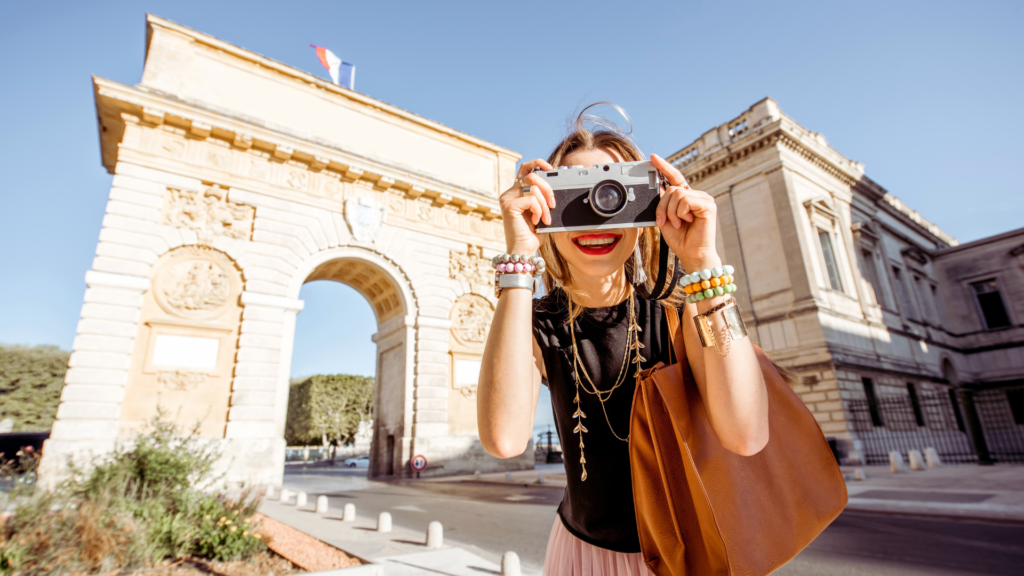
Capturing cultural moments requires more than technical skill; it demands sensitivity to authenticity and respect for the subjects. Photographers who focus on genuine expressions and traditions create images that convey true stories rather than staged scenes. The key to capturing authentic cultural moments lies in observing carefully, anticipating actions, and blending into the environment without disrupting it.
Lighting, timing, and composition matter, but understanding the cultural context is equally important. Learning about the event, its significance, and the people involved helps photographers anticipate meaningful moments. This knowledge allows them to highlight details that might be overlooked by others, turning a simple photo into a powerful representation of culture.
Approaching cultural photography with respect builds trust, which often leads to more natural and expressive shots. Patience and discretion are valuable traits that help photographers capture moments unnoticed. They must balance being present with staying unobtrusive to document culture honestly and effectively.
Fundamental Tips for Capturing Cultural Moments
Capturing cultural moments effectively requires patience, respect, and flexibility. A travel photographer must balance technical skill with sensitivity to the cultural context. Approaching each scene with awareness ensures the resulting images convey authenticity and meaning.
Observing and Waiting for Authentic Events
A photographer should spend time observing the environment before pressing the shutter. Authentic cultural moments often unfold slowly and are best captured by anticipating small actions or gestures.
Rather than rushing, they should identify key figures or focal points in the scene. Waiting quietly can yield natural expressions or interactions important for storytelling.
Using a long lens helps to stay unobtrusive, preserving the moment’s genuineness. Taking multiple shots at different angles increases the chance of catching subtle details that reveal cultural significance.
Engaging Respectfully with Locals
Engagement with locals is essential to building trust and gaining deeper access to cultural experiences. A respectful approach involves asking permission before photographing individuals, explaining intentions clearly.
Learning basic phrases in the local language can ease interaction and show appreciation for the culture. They should avoid sensitive or sacred events unless explicitly invited.
Respect also means understanding and adhering to local customs related to photography. Recognising these boundaries prevents discomfort and ensures more genuine moments are shared.
Embracing Spontaneity in Diverse Settings
Cultural photography often involves unpredictable environments and rapid changes. A travel photographer must stay adaptable to capture unexpected moments effectively.
Keeping equipment ready and settings adjusted enables a quick response to shifting scenes. Spontaneous shots can reveal unplanned interactions and daily life nuances that scripted photos miss.
Open-mindedness toward the diversity of cultural expressions allows for richer storytelling. Embracing imperfection in lighting or composition may enhance the authenticity of the moment.
Understanding Cultural Sensitivity and Ethics
Cultural sensitivity requires awareness of local customs, values, and personal boundaries when photographing. Ethical behaviour involves respect for traditions, obtaining proper consent, and communicating effectively to avoid misunderstandings.
Respecting Traditions and Local Customs
Photographers must research the cultural context of a location before shooting. Certain gestures, clothing, or sacred sites may have strict rules against photography. Violating these can offend individuals or communities and disrupt events.
Respect local dress codes and avoid photographing ceremonial moments that are meant to remain private. Observing how locals behave and asking guides or community leaders for advice can prevent unintentional disrespect. Following these practices helps maintain mutual respect between the photographer and the culture captured.
Seeking Permission and Respecting Privacy
Always ask permission before photographing individuals, especially in sensitive situations like religious rituals or family gatherings. A simple gesture or nod can establish consent. Without permission, photographs risk invading privacy and causing discomfort.
Some cultures may decline cameras due to beliefs or fear of misuse. Respect these refusals without argument. Using respectful body language, maintaining a polite tone, and stepping back when requested reinforces ethical conduct.
Learning Key Phrases in the Local Language
Knowing basic phrases like “May I take your photo?” or “Thank you” in the local language shows respect and facilitates communication. This can ease tension and build trust with subjects.
Simple greetings and polite requests often open doors that gestures alone cannot. It also demonstrates the photographer’s effort to engage sincerely, which can result in more authentic, cooperative interactions and better images.
Technical and Creative Techniques for Cultural Photography
Capturing cultural moments well requires a balance of technical choices and creative vision. Proper camera settings, effective use of light, the right gear, and careful composition all work together to create images that tell a compelling story. Attention to detail in each area enhances the authenticity and impact of cultural photography.
Mastering Camera Settings for Various Environments
Adjusting camera settings is crucial for diverse cultural settings, which often vary in lighting and activity. Using a fast shutter speed (1/250 sec or faster) helps freeze motion during dances or street scenes. Slower shutter speeds can add intentional blur but demand a steady hand or a tripod.
An aperture between f/4 and f/8 balances sharpness with background separation. Higher ISO values are acceptable indoors or under low light, but should be kept as low as possible to reduce noise. Setting white balance manually or using presets like “Daylight” or “Shade” preserves true colours, crucial for cultural textiles and skin tones.
Shooting in RAW format allows flexibility in post-processing to adjust exposure and correct colours without quality loss.
Utilising Natural Lighting and the Golden Hour
Natural light is often the best source for authentic cultural images. The golden hour—shortly after sunrise and before sunset—produces soft, warm tones and long shadows that add depth and mood to photos.
Photographers should avoid harsh midday sun, which creates strong contrasts and unflattering shadows. When shooting outdoors in bright light, using a lens hood or shading the lens helps reduce glare.
Overcast days provide diffused light that softens details and reduces harsh shadows, suitable for capturing facial expressions and intricate patterns in costumes or decor. Positioning subjects with light to the side or back creates dimensionality and enhances texture.
Choosing the Right Gear and Accessories
Selecting appropriate camera gear supports flexibility and mobility during cultural events. A versatile zoom lens (24-70mm or 70-200mm) covers a wide range of scenes, from close-up portraits to wider environment shots. A wide-angle lens (14-24mm) is useful for capturing large groups, architecture, or indoor ceremonies in confined spaces.
A sturdy tripod is helpful for low-light conditions or slow shutter speeds, but may reduce spontaneity. Carrying a well-organised camera bag with extra batteries, memory cards, and lens cleaning supplies ensures preparedness.
Accessories like a reflector or portable LED light can supplement natural lighting when necessary, especially indoors.
Composing Images for Storytelling and Impact
Strong composition guides the viewer’s eye and emphasises cultural context. Using the rule of thirds places subjects off-centre for dynamic balance. Leading lines—such as rows of dancers or architectural elements—draw attention deeper into the scene.
Framing through doorways, windows, or arches encapsulates cultural environments and focuses viewers on the subject. Symmetry in traditional patterns or ceremonies adds harmony and visual appeal.
Close-up shots of details like hands, textiles, or tools highlight cultural significance often missed in wider images. Watching for patterns and repetition in costumes or decorations creates rhythm and texture.
Clear, intentional composition techniques turn simple cultural moments into meaningful photographic narratives.
Highlighting and Preserving Cultural Essence
Capturing cultural moments means more than taking photos; it requires attention to authentic details and context. Emphasising traditional clothing, artefacts, and the environments where cultural events unfold helps preserve the unique identity of a place. Showing different perspectives and details creates a fuller story of the culture.
Capturing Traditional Clothing and Artefacts
Traditional clothing often symbolises cultural heritage and identity. Photographers should focus on colours, patterns, and textures to reveal craftsmanship and meaning. Close-up shots of fabrics, embroidery, and accessories highlight artisan skills and cultural significance.
Artefacts, like tools or ceremonial objects, offer a tangible connection to history. Including artefacts within their natural setting or alongside their users adds depth. Using natural light minimises reflections and reveals true colours. Capturing these items respectfully maintains their cultural integrity.
Focusing on Festivals, Events, and Everyday Life
Cultural festivals provide rich opportunities to document traditions in action. He or she should anticipate key moments like dances, rituals, or ceremonies. Wide-angle shots show the scale and atmosphere, while candid images capture genuine expressions.
Everyday life scenes offer a contrast to formal events and reveal enduring cultural practices. Street markets, craftspeople, and family gatherings show how culture lives daily. Photographing both festivals and routine activities balances excitement with continuity.
Telling Stories Through Perspectives and Details
Different perspectives give a layered understanding of cultural experiences. Low angles can emphasise the grandeur of a traditional dance, while eye-level shots build intimacy. Zooming in on hands, faces, or objects directs focus to personal stories.
Details like worn textures on artefacts or focused expressions during events add emotional weight. Combining wide and tight frames creates a narrative flow. Using these techniques ensures travel experiences are not just documented but meaningfully conveyed.