
Coastal destinations offer a diverse range of adventure activities that combine natural beauty with physical challenge. From water sports like surfing and kayaking to land-based excursions such as coastal hiking and zip-lining, these activities provide unique ways to explore the shoreline.
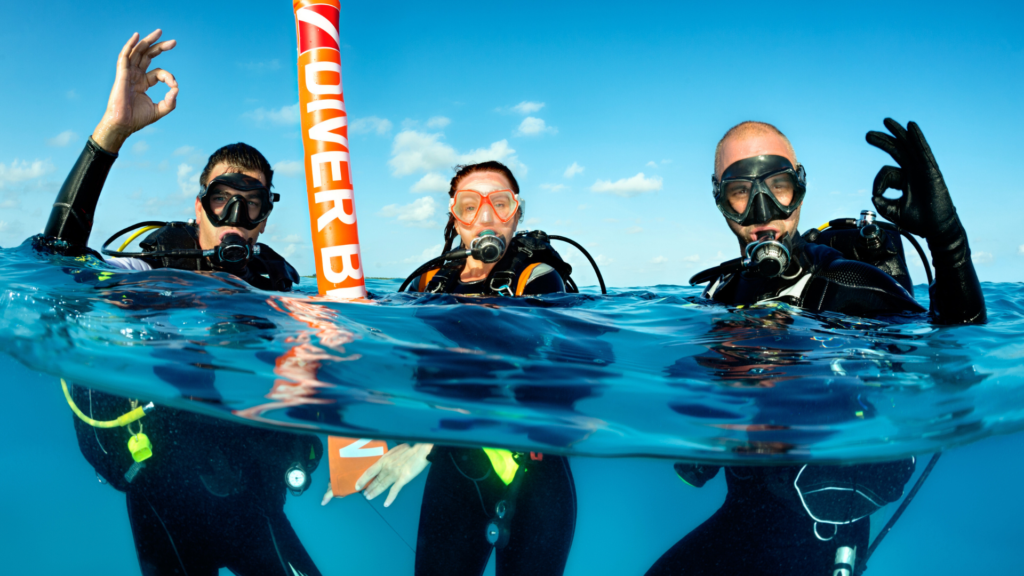
The must-try adventure activities in coastal destinations include scuba diving, paddleboarding, and parasailing, as they allow visitors to experience both the ocean’s vibrant ecosystem and thrilling outdoor excitement. These options suit various skill levels, making coastal adventures accessible to many travellers.
Adventure seekers can discover hidden coves by sea or trek rugged cliffs for panoramic ocean views. Coastal areas often feature environments perfect for both adrenaline rushes and immersive nature experiences.
Iconic Water Adventure Activities
Coastal destinations offer a range of water activities suitable for various skill levels and interests. These activities provide a direct connection with the ocean and often take place in scenic or renowned locations.
Surfing Essentials and Hotspots
Surfing requires understanding ocean waves, board types, and safety procedures. Beginners often start on foam boards in gentle beach breaks, while experienced surfers seek powerful reef breaks or point breaks.
Key global hotspots include Hawaii’s North Shore, California’s Huntington Beach, and Australia’s Gold Coast. Each offers consistent waves and surf culture. Surf lessons are widely available, focusing on paddling techniques, wave reading, and safe fall practices.
Equipment involves a surfboard tailored to skill level, wetsuits depending on water temperature, and wax for grip. Surfing demands good physical fitness, balance, and patience in timing waves.
Stand-Up Paddleboarding for All Levels
Stand-up paddleboarding (SUP) combines balance with paddling on calm or slightly wavy ocean surfaces. It suits beginners and advanced participants due to its adaptability and low-impact nature.
Popular for exploration, it allows paddling nearshore or venturing into bays and lagoons, often with clear views of marine life beneath. Locations along the Pacific Ocean coast, such as Monterey Bay, offer calm conditions ideal for SUP.
Equipment includes a stable paddleboard, an adjustable paddle, and sometimes a leash for safety. Many rental shops provide beginner lessons focusing on stance, paddle strokes, and water safety.
Kayaking Along Scenic Coastlines
Kayaking offers an intimate way to explore coastal landscapes, sea caves, and wildlife habitats. Sit-on-top and sea kayaks vary by capacity and water conditions.
Kayakers often explore rocky shorelines and estuaries where larger boats can’t reach. Coastal areas like the Maine coastline or British Columbia provide calm waters and ready access to marine species.
Essential gear includes the kayak, paddle, personal flotation device, and often a spray skirt for rougher conditions. Skills emphasised are paddle control, navigation, and safety in tides and currents.
Sailing Experiences on Open Waters
Sailing introduces adventurers to wind navigation and teamwork on the ocean. Coastal sailing ranges from short bay excursions to multi-day trips along the Pacific Ocean.
Sailing requires knowledge of wind patterns, sail handling, and vessel operation. Popular regions include the Mediterranean and the Caribbean, but Pacific coastal marinas also offer rental sailboats and classes.
Key equipment includes the sailboat, life jackets, and navigational tools. Sailing schools teach basics like tacking, jibing, and reading wind shifts to maintain control and safety on the water.
Nature and Wildlife Encounters
Coastal destinations offer unique opportunities to observe marine life and coastal ecosystems. These experiences range from watching large marine mammals to exploring small, vibrant habitats along the shore.
Whale Watching Excursions
Whale watching trips provide a chance to see species like humpbacks, grey whales, or orcas in their natural environment. Tours often operate from spring to fall, aligned with migration patterns.
Guides use knowledge of whale behaviours and communication to locate pods. Observers learn about species’ habits and conservation status. Using binoculars and boats designed for minimal disturbance enhances the experience.
Safety protocols and conservation guidelines prevent harm to whales. These excursions appeal to those interested in marine biology and large wildlife observation.
Exploring Tide Pools and Rock Pooling
Tide pools form in rocky coastal areas, revealing diverse marine life during low tide. Species such as sea stars, anemones, and crustaceans inhabit these pools.
Visitors explore gently by lifting rocks and observing quietly to avoid damaging habitats. Identifying common creatures can be aided by pocket guides or apps focused on marine tide pool species.
This activity emphasises hands-on interaction with ecosystems that vary greatly depending on the region. It is accessible for families and those seeking closer contact with smaller marine life.
Spotting Dolphins in the Wild
Dolphin sightings are common along many coastlines where these mammals feed and socialise. Spotting is best during calm weather when pods surface frequently.
Wild dolphins often travel in groups, performing behaviours like bow riding or jumping. Observers benefit from using binoculars and watching quietly to avoid scaring them away.
Local guides provide insight into dolphin species, behaviour, and conservation efforts. Responsible viewing respects their natural patterns and avoids feeding or direct contact.
Land-Based Coastal Adventures
Coastal destinations offer a range of activities that engage visitors with the natural landscape and coastal environment. Exploring well-maintained paths or searching along the shore can reveal unique aspects of the coastline’s ecology and history.
Hiking Coastal Trails and Paths
Hiking along coastal trails allows visitors to experience dramatic cliffs, rocky shorelines, and panoramic ocean views. Many places, such as the Pacific Coast Trail in the U.S. or the South West Coast Path in England, offer marked routes with varying difficulty levels.
Hikers should prepare for uneven terrain, steep sections, and changing weather conditions. Trails often pass through protected habitats, so staying on the path preserves local wildlife and plants.
Key Tips:
- Wear sturdy footwear
- Carry water and sun protection
- Check tide schedules if trails run close to the shore
Following signage and maps ensures safety and maximises the journey’s visual and ecological rewards.
Beachcombing for Hidden Treasures
Beachcombing involves walking along the shoreline in search of natural or manmade items washed up by tides. Common finds include shells, sea glass, driftwood, and occasionally fossils or unique stones.
Timing is important; low tide exposes wider areas and increases chances of discovery. It’s best to avoid heavily polluted beaches, and practising responsible collecting preserves the environment.
Recommended Gear:
- Comfortable shoes or sandals
- A small bag or bucket for collecting
- Gloves for handling sharp objects
Beachcombing can reveal insights into marine ecosystems and coastal geology, providing an engaging and educational experience.
Cultural and Culinary Coastal Experiences
Coastal destinations offer rich encounters beyond adventure sports. Visitors often engage with local ways of life, uncover historic sites tied to maritime heritage, and savour seafood reflecting the region’s environment.
Exploring Local Culture and Traditions
Many coastal communities preserve unique cultural practices shaped by their relationship with the sea. Visitors can attend traditional festivals, craft markets, and performances featuring local music and dance.
In places like Portugal’s Algarve or Japan’s coastal towns, fishing traditions still influence daily life. Artisans may demonstrate boat building or net weaving, connecting tourists directly to the livelihoods rooted in the ocean.
Cultural tours often include meeting residents who share stories, folklore, or rituals linked to seafaring. These experiences provide insight into the coastal identity and communal values.
Discovering Coastal History and Heritage
Coastal areas frequently have historical landmarks such as lighthouses, forts, and maritime museums. These sites reveal the strategic importance of oceans in trade, defence, and exploration.
For example, Fort Saint-Jean in Marseille or the Mystic Seaport Museum in Connecticut showcase preserved artefacts and documents detailing centuries of maritime activity.
Walking tours in harbours or old fishing villages help visitors understand how the coast shaped settlement patterns and economic growth. Interpretation centres often explain techniques used in navigation and fishing through time.
Sampling Fresh Seafood Delicacies
The freshness of seafood is a hallmark of coastal cuisine. Markets and seaside restaurants serve varieties caught daily, including fish, shellfish, and crustaceans.
Common dishes range from grilled sardines in Mediterranean regions to raw oysters on the Atlantic coast. Many places offer tasting menus emphasising seasonal and locally sourced ingredients.
Visitors should seek specialities like ceviche on the Pacific coast or lobster rolls in New England. These meals reflect the biodiversity of coastal waters and traditional preparation methods.