
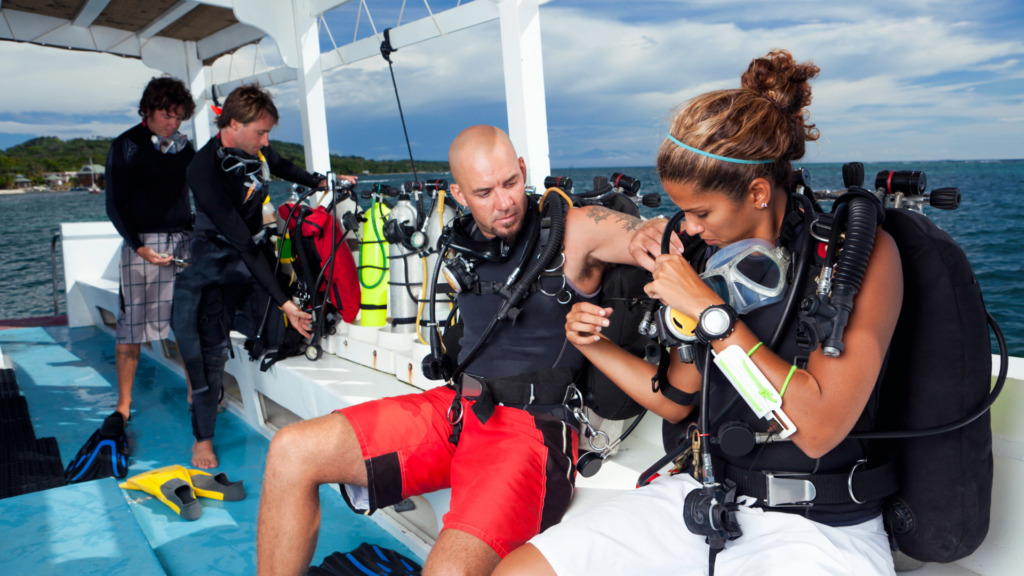
Water-based excursions offer enjoyment and adventure but also come with inherent risks. Knowing how to stay safe ensures that the experience remains positive and free from preventable accidents. Wearing a properly fitted life jacket, being aware of weather conditions, and understanding the water environment are essential steps to remain safe during any water activity.
Participants should always prepare by checking equipment and local guidelines, as well as informing someone on land about their plans. Staying alert and following safety protocols reduces the chances of emergencies and helps manage unexpected situations effectively.
Essential Water Safety Precautions
Water-based excursions require careful attention to environmental conditions, personal equipment, and individual skills. Being aware of these factors helps reduce risks and ensures a safer experience.
Understanding Water Conditions and Hazards
Water conditions can change rapidly, especially in open water like lakes and rivers. Weather shifts, such as sudden storms or strong winds, increase waves and create dangerous currents. Awareness of local water currents, underwater obstacles, and water temperature is crucial.
Checking weather forecasts before the trip and monitoring conditions during the excursion helps avoid unexpected dangers. Recognising hazards like slippery rocks, drop-offs, and strong undertows is essential for both swimmers and boaters.
Choosing the Right Life Jackets and Equipment
Life jackets must fit properly and be Coast Guard-approved for the specific activity. For example, buoyancy aids designed for kayaking differ from those for swimming or fishing.
The life jacket’s buoyancy rating should match the water type—higher buoyancy is better for open water or rough conditions. Equipment such as helmets, waterproof communication devices, and whistles adds layers of safety during excursions.
Proper maintenance of gear, including inspecting for tears and ensuring straps function correctly, prevents safety failures.
Importance of Swimming Skills for Excursions
Strong swimming skills reduce reliance on flotation devices and improve confidence in water. Swimming proficiency includes being able to tread water, float, and swim various strokes.
Knowing how to handle water conditions like currents or waves is vital. Basic rescue techniques and self-rescue skills increase safety and prepare individuals for emergencies.
Training in open water environments, rather than only pools, builds necessary experience with changing conditions.
Smart Preparation Before Water-Based Excursions
Preparation is essential to ensuring safety and comfort during water-based activities. Understanding the environment, packing appropriate gear, and monitoring weather conditions will help prevent common risks on shore and cruise excursions.
Researching Shore and Cruise Excursions
He should first gather detailed information about the planned excursions, focusing on the terrain, duration, and difficulty. Knowing if the shore involves rocky paths or long walks affects footwear choices and physical readiness.
Checking for safety reviews or advisories from past participants is important. This helps identify potential hazards such as strong currents or inadequate lifeguard presence.
Booking excursions through reputable operators with certified safety measures minimises risk. They often provide safety briefings and equipment compliant with regulations.
Packing the Right Essentials
Packing the right items is critical for safety and comfort. Comfortable walking shoes are a must to handle diverse surfaces during shore excursions.
Other essentials include a life jacket when recommended, waterproof sunscreen, a refillable water bottle, and a basic first aid kit. Wearing quick-dry clothing and a hat protects against sun and water exposure.
She should avoid carrying heavy bags; packing light improves balance and reduces exhaustion. Electronics should be secured in waterproof pouches.
Checking Weather and Environmental Factors
Monitoring weather conditions before and on the day of the excursion prevents exposure to dangerous elements. Sudden storms or high winds can make water excursions risky.
He needs to check local tide schedules and water temperatures. Low tides may expose hazards, while cold water increases the risk of hypothermia.
Being aware of environmental alerts like jellyfish warnings or strong currents is necessary. Adjusting plans accordingly reduces accident risk during the vacation.
Personal Protection and Gear for Safety and Comfort
Proper gear enhances safety and comfort during water-based activities. Key elements include shielding from sun exposure, safeguarding personal items, and reducing insect and environmental hazards.
Sun Protection and Hydration
Wearing sunglasses with UV protection shields the eyes from harmful rays. Pair them with wide-brimmed hats to protect the face and neck. Applying biodegradable sunscreen with at least SPF 30 is essential; it prevents sunburn while minimising environmental impact on water ecosystems.
Hydration is critical. Individuals should carry sufficient water in reusable bottles and drink regularly to avoid dehydration. Avoid sugary or alcoholic beverages, as they can accelerate fluid loss. Staying mindful of the sun’s intensity during peak hours limits heat-related illnesses.
Protecting Belongings and Valuables
Waterproof cases or dry bags are necessary to keep electronics, wallets, and phones dry. Using a case designed for mobile devices ensures touchscreen use without water damage. Important items like credit cards should be placed in sealed pouches to prevent damage or loss.
It is better to keep valuables out of sight or leave them secured onshore if possible. Multiple, sealed compartments help organise belongings and protect them from sand and water intrusion.
Mitigating Insect and Environmental Risks
Applying insect repellent containing DEET or picaridin helps deter mosquitoes and other biting insects common near water. Selecting a repellent compatible with sunscreen is important for effective protection.
Wearing lightweight, long-sleeved clothing minimises skin exposure. Checking local advisories for ticks or algae blooms can prevent unwanted contact with harmful organisms. Covering exposed skin and avoiding stagnant water reduces the risk of insect bites and infections.
Safe Practices During Water Activities
Water excursions demand careful attention to safety measures such as appropriate gear, vigilant supervision, and readiness to handle emergencies. These elements significantly lower risks during swimming, snorkelling, and other water activities in environments like lakes and rivers.
Swimming and Snorkelling Frameworks
Participants should always wear properly fitted life jackets when swimming or snorkelling in open water. These devices provide buoyancy and reduce drowning risks, especially in lakes and rivers where currents can be unpredictable.
It’s essential to know the water depth, temperature, and visibility before entering. Swimming within marked boundaries and avoiding hazardous areas like strong currents or underwater obstacles helps maintain safety.
Using the buddy system during snorkelling or swimming ensures immediate assistance if one encounters trouble. They should also carry safety whistles and waterproof communication devices when possible.
Using Safety Buddies and Supervision
Having a safety buddy or supervisor nearby dramatically increases safety. Buddies monitor each other’s condition and can call for help or assist in emergencies.
Supervision by an experienced swimmer or certified lifeguard is critical, particularly for children or less experienced swimmers. Supervisors must stay alert and avoid distractions while overseeing activities near water.
Structured swim times and designated safe zones for activities in lakes or rivers minimise exposure to risks. Continuous headcounts and clear communication improve accountability in larger groups.
Reacting to Emergencies and Unexpected Events
Immediate response to emergencies is crucial. If someone struggles in water, rescuers should avoid direct contact when possible, instead using poles, ropes, or flotation devices to assist.
Calling emergency services quickly ensures timely professional help. Basic training in CPR and rescue techniques can save lives before help arrives.
Participants must stay calm, float on their backs if caught in a current, and signal for assistance. Understanding local weather patterns and water conditions helps anticipate and avoid sudden, dangerous events.