
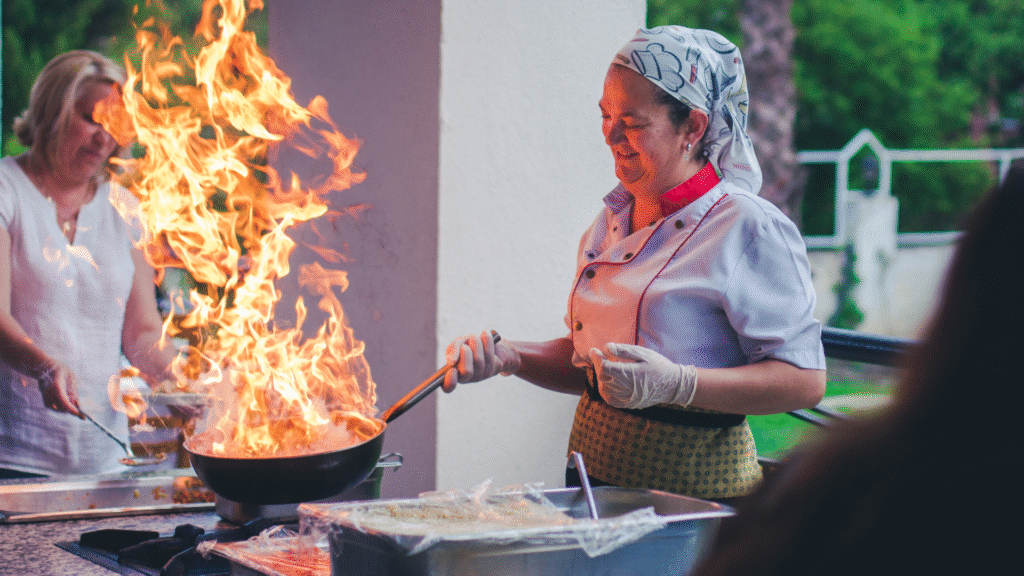
Travelling offers a unique opportunity to explore new cultures, and cooking local food is one of the best ways to immerse oneself in a region’s culinary experiences. By engaging with local ingredients and traditional cooking methods, travellers can gain insights into the food culture of their destinations. This hands-on approach not only enhances their appreciation for the cuisine but also creates lasting memories.
Finding ways to cook local dishes can be both rewarding and educational. Many places offer cooking classes or market tours that teach participants about regional ingredients and cooking techniques. This allows travellers to connect with locals, learn their stories, and understand the significance of the food they prepare.
Exploring local food while travelling enriches the journey and enables travellers to savour the essence of each destination. By understanding the customs and traditions behind the meals, they can enjoy a deeper connection to the places they visit, making their experiences even more meaningful.
Exploring Local Food Markets
Local food markets are vibrant hubs of culinary culture, offering a rich tapestry of fresh produce and traditional dishes. They provide travellers with unique opportunities to engage with local vendors and experience the culinary heritage of the region.
Navigating Through Local Markets
Travelers can find themselves immersed in the lively atmosphere of local markets. These markets often vary significantly in size and layout. Small neighbourhood markets tend to have a more intimate feel, while larger markets might feature a broader range of products.
Navigating these spaces requires a willingness to explore. Observing the busiest stalls can help identify popular products. It’s beneficial to learn basic phrases in the local language, which can help in bargaining and building rapport with vendors.
Selecting Fresh Produce
When choosing fresh produce, travellers should prioritise seasonal items for authenticity. Knowing what fruits and vegetables are in season can also lead to better taste and price.
Examine the vibrancy of colours and check for firmness. Local vendors are typically knowledgeable, so asking for recommendations can yield insights into the best options. Don’t hesitate to try samples; this is often encouraged and makes for a fun experience.
Cultural Exchange and Food Traditions
Local food markets serve as a focal point for cultural exchange. Interactions with vendors provide insights into culinary traditions and the significance of certain ingredients in local dishes. This exchange enriches the travel experience.
Travellers may encounter unique cooking methods or traditional recipes passed down through generations. Understanding these cultural aspects can enhance appreciation for the culinary journey. Sharing a recipe or local cooking tips can create memorable connections that extend beyond just buying ingredients.
Street Food and Casual Dining
Street food and casual dining offer travellers a unique way to immerse themselves in local culture. These experiences often highlight regional flavours and provide a sense of community. Here’s how to navigate these culinary adventures.
Savouring Street Food Delights
Street food is a vibrant part of local cuisine. It offers quick and affordable options that highlight regional ingredients. Travellers should seek out stalls known for their long lines, as this often indicates quality.
Common street food items include:
- Tacos in Mexico
- Pad Thai in Thailand
- Banh Mi in Vietnam
Sampling diverse snacks gives insight into local traditions. Night markets are great venues for finding various street food options. The atmosphere is lively, enhancing the overall experience.
Food Truck Finds and Picnic Spots
Food trucks have become popular worldwide, serving gourmet meals on the go. They often rotate locations, making it an adventure to track them down. Many food trucks offer fusion cuisine, allowing travellers to experience innovative takes on traditional dishes.
Finding picnic spots can enhance the dining experience. Parks or waterfront areas serve as excellent locations to enjoy food. Travellers can gather a variety of items, such as:
- Sandwiches
- Pastries
- Local beverages
This approach encourages a relaxed dining atmosphere and social interactions.
Eating Out: Tips and Tricks
When eating out, it is important to know local dining customs. In some cultures, sharing dishes is common, while in others, individual portions are the norm. Being aware of this can enhance social interactions with locals.
Travellers can benefit from asking locals for recommendations. They often know hidden gems and popular eateries that may not be in guidebooks. Using apps or websites that specialise in local dining can also provide valuable insights.
Safety is crucial when enjoying street food. Choosing vendors that maintain cleanliness is essential. Observing how food is prepared can ensure a positive experience.
Cooking Classes: The Gateway to Authentic Cuisine
Engaging in cooking classes while travelling offers a unique opportunity for cultural immersion. These experiences provide access to local cuisine, including traditional dishes and family recipes that may not be found in restaurants.
Finding the Right Cooking Class
Travellers should prioritise researching cooking classes to ensure they find one that suits their interests. Online platforms, local tourism boards, and travel blogs can provide valuable insights and recommendations. It’s advisable to read reviews and look for classes that emphasise hands-on learning and interaction with instructors. Many classes offer a focus on regional specialities, allowing participants to explore local ingredients and cooking techniques. Participants may also enjoy classes held in private homes, which often foster a more personal atmosphere.
Family Recipes and Cooking Techniques
Family recipes are an essential part of many cultures. They often carry stories and traditions passed down through generations. Cooking classes frequently feature these recipes, allowing travellers to gain insights into the personal history behind each dish. Participants learn unique techniques that reflect the local way of cooking. For instance, mastering the art of hand-rolled pasta in Italy or traditional spice blending in India can deepen appreciation for the cuisine. Furthermore, instructors may share tips on sourcing ingredients, ensuring authenticity in future cooking endeavours at home.
Making Connections Through Food
Cooking classes offer more than just culinary skills; they foster connections among participants and locals. Sharing a meal prepared together can break down cultural barriers and create lasting friendships. Many classes facilitate group interactions, encouraging participants to exchange experiences and stories. Instructors often share their personal culinary journeys, enriching the experience and fostering understanding. This kind of engagement turns a cooking class into a memorable aspect of travel, making it an essential part of a holistic travel experience.
Travelling through food not only satiates hunger but also nourishes relationships and enriches lives.
Dining Recommendations and Food Budgeting
Finding the right dining options and managing food expenses can enhance the travel experience. Authentic local cuisine offers a glimpse into culinary traditions, while budget management ensures pleasure without overspending.
Seeking Authenticity in Restaurant Choices
Travellers should prioritise authenticity in their culinary experiences. Local restaurants often serve dishes that reflect regional flavours and traditions. For instance, in Spain, tapas bars provide a variety of small plates that enable sampling different dishes.
When exploring Thai cuisine, seeking family-run eateries can lead to discovering genuine flavours. These spots may not have Michelin stars, but they deliver unique dishes crafted from family recipes. Recommendations can be found through dining apps, review websites, or by asking locals for suggestions.
Travellers might also consider cooking classes offered by local chefs, which can provide deeper insights into the culture while enjoying delicious meals.
Managing Your Food Budget While Travelling
Budgeting for food requires planning and flexibility. Carrying a daily food budget helps manage expenses effectively. Travellers may allocate funds based on meal types:
- Breakfast: $5-10
- Lunch: $10-20
- Dinner: $20-50
Street food can be a cost-effective way to sample local flavours without overspending. Additionally, dining at lunch can be cheaper than dinner in many cultures, with fixed-price menus offering great value.
Utilising local markets can also be a budget-friendly option. Purchasing fresh ingredients for picnics or preparing simple meals can further lighten spending.