
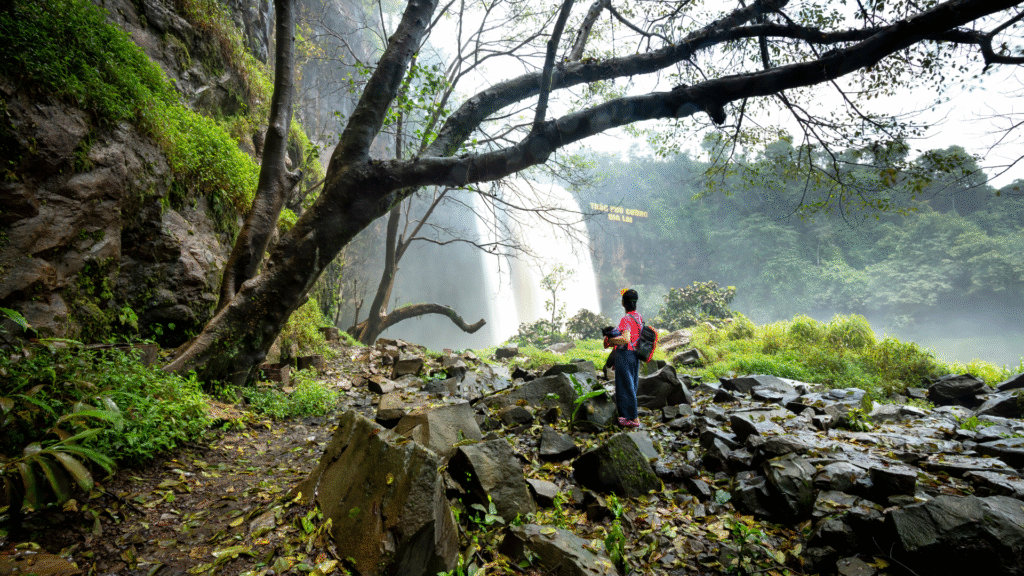
Hiking offers a great way to connect with nature, but it also comes with a responsibility to protect the environment. Practising the Leave No Trace principles can ensure that each hike contributes to the preservation of natural spaces. Outdoor ethics are essential for maintaining the beauty and integrity of hiking trails.
By following simple guidelines, hikers can minimise their impact on the ecosystem. This includes staying on designated paths, packing out trash, and respecting wildlife. Awareness and education about these practices empower hikers to enjoy their adventures while safeguarding the natural world.
Being mindful of one’s surroundings not only enhances the hiking experience but also supports sustainability efforts. Engaging with nature should not come at the cost of its preservation. Adopting eco-friendly habits can make a significant difference for future generations of outdoor enthusiasts.
Planning Your Hike
Effective planning is crucial for a successful hike. It ensures safety for hikers while minimising environmental impact.
Understanding Leave No Trace Principles
Leave No Trace principles are vital for protecting natural spaces. Hikers should familiarise themselves with these seven core guidelines:
- Plan Ahead and Prepare: Effective planning reduces the chances of accidents.
- Travel and Camp on Durable Surfaces: Stick to trails and established campsites.
- Dispose of Waste Properly: Pack out what you bring in, including trash and food waste.
- Leave What You Find: Avoid disturbing natural and cultural features.
- Minimise Campfire Impact: Use a stove instead of starting a fire when possible.
- Respect Wildlife: Observe animals from a distance and never feed them.
- Be Considerate of Other Visitors: Maintain a quiet atmosphere and share the space respectfully.
By adhering to these principles, hikers can protect the environment for future generations.
Essential Gear for Safe Hiking
Having the right gear enhances both safety and enjoyment while hiking. Here are ten essential items every hiker should consider:
- Navigation Tools: A map, compass, or GPS device ensures accurate navigation.
- Water Supply: Hydration systems or water bottles are crucial for long hikes.
- Food: Nutritious snacks provide energy.
- Clothing: Dress in moisture-wicking layers and pack extra clothing as needed.
- First Aid Kit: A comprehensive kit addresses minor injuries.
- Emergency Gear: A whistle and flashlight can be lifesavers.
- Multi-tool or Knife: These tools have various uses on the trail.
- Fire Starter: Matches or lighters for cooking or warmth.
- Sun Protection: Sunscreen and sunglasses prevent sunburn.
- Bug Repellent: Keeps insects at bay, contributing to comfort.
These items significantly improve a hiker’s responsiveness to unexpected situations.
Weather Awareness and Seasonal Considerations
Understanding weather patterns is critical for hiking safety. Before heading out, check the forecast for the area, paying particular attention to temperature and precipitation.
- Seasonal Changes: Familiarise yourself with how seasons affect local trails. For example, spring may bring mud, while winter may present snow.
- Temperature Variations: Prepare for altitude-induced temperature drops. Carry appropriate gear for potential weather changes.
- Rain and Wind: Waterproof jackets and windbreakers improve comfort in adverse conditions.
By considering these factors, hikers can make informed decisions that enhance both safety and enjoyment during their trip.
On the Trail
Maintaining nature’s integrity while hiking requires specific practices that promote sustainability. Staying on marked trails, disposing of waste properly, and interacting respectfully with wildlife are crucial for minimising environmental impact.
Following Trails and Respecting Durable Surfaces
Hikers should always stick to established trails. This practice helps minimise soil erosion and prevents damage to native vegetation. Walking on durable surfaces like rocks, gravel, or dry grass limits the impact on fragile ecosystems.
Creating new paths by wandering off-trail can lead to habitat destruction. Hikers must avoid shortcuts through meadows or wetlands. When encountering muddy areas, stepping on rocks or logs can help preserve the surrounding vegetation.
Utilizing designated campsites further protects sensitive areas. These spots are often placed to reduce impact on the environment, allowing ecosystems to thrive while providing a safe space for hikers.
Proper Waste Disposal Techniques
Proper waste disposal is essential to maintaining a clean environment. Hikers should carry out all trash, including food scraps and wrappers. Biodegradable soap should be used away from natural water sources to prevent contamination.
When nature calls, follow Leave No Trace guidelines for human waste. Digging a small hole at least 6-8 inches deep, 200 feet away from water sources, is recommended. This practice helps in minimizing the spread of bacteria and keeps water sources clean.
Using a waste bag for solid waste is often the best solution in popular areas. This method ensures that human waste is managed effectively and prevents environmental degradation.
Responsible Interaction with Wildlife
Respecting wildlife is vital for both the animals and their habitats. Hikers should observe animals from a distance and avoid feeding them. Feeding wildlife disrupts their natural foraging behaviour and can lead to dangerous encounters.
If wildlife encounters occur, hikers should back away slowly, allowing animals to retain their space. Familiarising oneself with local wildlife and their behaviours can enhance safety.
In addition, hikers must avoid disturbing nests or dens. It is important to recognize that many animals are protective of their young, and proximity can provoke defensive behavior. Understanding these dynamics fosters coexistence and ensures everyone’s safety in nature.
Camping Considerations
When camping, choosing the right campsite and managing campfire impacts are essential for protecting nature. Following specific guidelines can help minimise harm to the environment while enhancing the outdoor experience.
Selecting a Campsite
When selecting a campsite, it’s important to choose durable surfaces such as established campsites, gravel, or sand. This reduces damage to vegetation and soil. Avoiding sensitive areas like wetlands and meadows helps preserve delicate ecosystems.
Campers should maintain a distance from water sources to prevent erosion and contamination. Setting up at least 200 feet from lakes and streams is advisable. Additionally, follow Leave No Trace principles by camping on already disturbed sites when possible and respecting wildlife habitats.
To further minimise impact, consider the size of the group. Larger groups require more space, so selecting a suitable area prevents overcrowding and habitat damage.
Minimising Campfire Impact
Campfires can significantly impact the environment if not managed carefully. To minimise campfire impacts, use established fire rings when available. This practice protects the surrounding area from potential damage.
Using small, dead branches or sticks that are found on the ground for fuel helps reduce the need for cutting live vegetation. Always ensure the fire is completely out before leaving the site.
Campers should also consider alternative cooking methods, such as portable stoves. These options are more environmentally friendly and reduce the risks associated with wildfires.
Be mindful of fire restrictions or regulations in the area. Adhering to local guidelines safeguards both the surroundings and the safety of all visitors.
After the Hike
After completing a hiking trip, it is essential to leave the area as pristine as it was when first encountered. This ensures that nature remains intact for future visitors and maintains its ecological balance. Addressing litter and ensuring that personal effects are managed properly contribute significantly to conservation efforts.
Leave What You Find
Hikers should respect natural environments by not removing items such as rocks, plants, or historical artifacts. These elements play vital roles in the ecosystem. Removing them can disrupt local habitats and scenery.
It’s important to remember that soil, plants, and wildlife coexist in a fragile balance. By leaving natural features undisturbed, a hiker helps preserve the beauty and integrity of the area.
Additionally, hikers should avoid creating makeshift campfires or altering the landscape. Building or altering trails can lead to soil erosion and disturb local flora.
Pack It In, Pack It Out
Hikers must adhere to the principle of “pack it in, pack it out.” This means bringing everything back, including food wrappers, wrappers from trail mix, and other personal items. Waste left behind can harm wildlife and tarnish the natural environment.
Before leaving, hikers should conduct a final inspection of their area, ensuring no litter is left behind. Furthermore, it is crucial to be cautious of items like fishing gear that may inadvertently be forgotten.
Ticks and other pests can also latch onto gear, so it’s advisable to brush off clothing and equipment before heading home. Being diligent helps maintain safe and clean hiking spaces for everyone.