
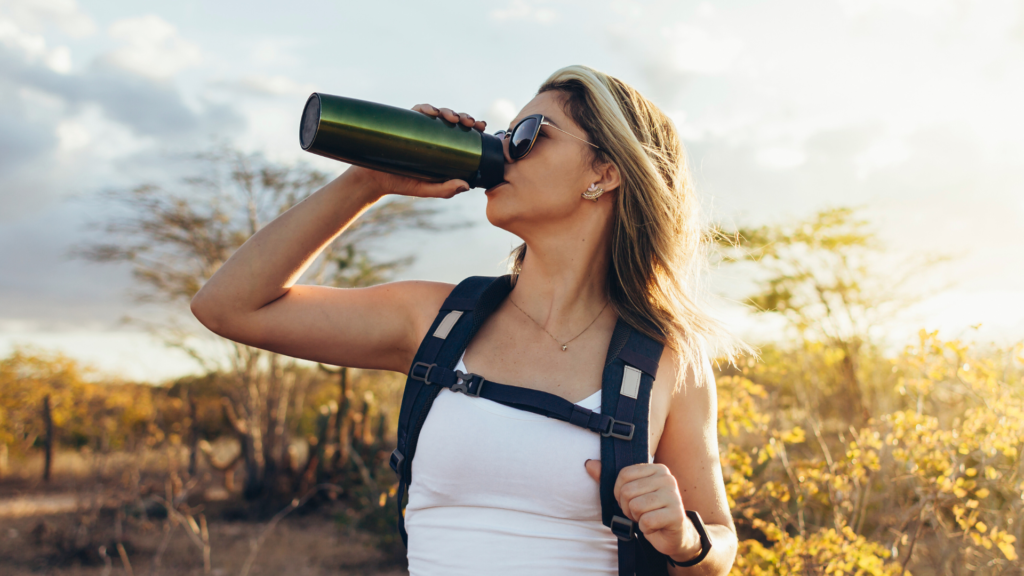
Outdoor adventures in hot weather require careful planning and smart choices to stay safe and enjoy the experience. The key is to balance activity with proper hydration, sun protection, and timing to avoid the harshest heat. Staying hydrated, wearing breathable clothing, and choosing cooler parts of the day can make a significant difference.
Understanding heat-related risks is essential for anyone spending time outside during warm conditions. They should also adjust their pace and take regular breaks to prevent overheating. Having the right gear and knowing how to recognise signs of heat exhaustion can keep the adventure both fun and safe.
Essential Preparation for Outdoor Adventures in the Heat
Successful outdoor adventures in hot weather require careful timing, location choice, and gradual adjustment to the heat. Preparing with these factors in mind helps individuals maintain energy and safety under high temperatures.
Planning Activities Around the Hottest Hours
He should avoid strenuous activities between 10 a.m. and 4 p.m., when heat and UV exposure peak. Early morning or late afternoon sessions reduce the risk of heat exhaustion.
Scheduling breaks in shaded areas or indoors during peak heat times is essential. Activities like hiking or biking are best conducted during cooler parts of the day to minimise heat strain.
Using a weather app to monitor temperature trends allows for flexible adjustments. Hydration must be prioritised regardless of timing, with water intake increased in hot conditions.
Selecting Appropriate Outdoor Locations
Choosing shaded trails, parks with dense tree cover, or bodies of water helps beat the heat naturally. Avoiding wide-open spaces with little shade minimises direct sun exposure.
Locations with access to cooling amenities like water fountains, restrooms, and shelters support comfort and safety. Terrain that limits excessive sweating, such as flat paths over steep climbs, is preferable in hot weather.
Planning routes to include exit points for quick shelter in emergencies improves preparedness. Urban parks with trees or coastal areas tend to stay cooler than exposed deserts or plains.
Acclimating to Hot Weather
Gradual exposure over 7-14 days helps the body adjust to heat stress. Daily outdoor activity duration should increase slowly from short to longer periods.
Acclimation improves sweat response and cardiovascular stability, reducing heat-related risks. Wearing lightweight, breathable clothing during acclimation phases allows the body to regulate temperature efficiently.
Individuals new to hot environments should avoid intense activities until acclimated. Proper rest, hydration, and nutrition support safe heat adaptation during this period.
Hydration and Nutrition Strategies
Proper hydration and balanced nutrition are critical for maintaining performance and safety during outdoor activities in the heat. Effective fluid and electrolyte intake, along with energy-rich foods, helps reduce the risk of dehydration and sustain endurance.
Staying Hydrated and Preventing Dehydration
To stay hydrated, individuals should drink water regularly before, during, and after outdoor activities, aiming for about 7–10 ounces every 10–20 minutes in the heat. Monitoring urine colour can help gauge hydration: pale yellow indicates adequate hydration, while darker shades suggest the need to increase fluid intake.
Avoid waiting until thirst starts, as it signals early dehydration. Wearing lightweight, breathable clothing supports hydration by reducing sweating and fluid loss. In extremely hot conditions, consuming water with ice can lower core body temperature and improve comfort.
Using Electrolytes for Prolonged Activities
Electrolytes like sodium, potassium, and magnesium replace minerals lost through sweat and are essential for muscle and nerve function. For activities over an hour, especially in high heat, electrolyte-containing drinks or supplements help maintain balance and prevent cramping or fatigue.
Typical sports drinks contain about 200-300 mg of sodium per 8 ounces, which supports replenishment during extended exertion. Salt tablets can be used, but should be taken cautiously to avoid excess intake. A balance between water and electrolytes prevents both dehydration and hyponatremia.
Eating for Endurance in the Heat
Consuming easily digestible, carbohydrate-rich snacks before and during activity provides quick energy without taxing the digestive system. Foods like bananas, energy bars, or dried fruit are effective fuel sources when heat limits appetite.
Avoid heavy, fatty, or high-protein meals that may slow digestion and increase internal heat production. Small, frequent meals help maintain energy levels and prevent gastrointestinal discomfort. Including salty options can support electrolyte balance alongside hydration efforts.
Protective Clothing and Sun Safety
Proper clothing and effective sun protection are essential for staying safe and comfortable during hot outdoor activities. Selecting the right materials, applying sunscreen correctly, and using protective accessories reduce the risks of heat-related issues and sun damage.
Choosing Light-Colored and Breathable Clothing
Light-colored clothing reflects sunlight, helping to keep the body cooler than dark colours, which absorb heat. Fabrics like cotton, linen, and moisture-wicking synthetics promote airflow and allow sweat to evaporate quickly.
Breathability is key. Clothing should be loose-fitting to improve ventilation and reduce skin irritation. Synthetic blends designed for athletic wear often combine light colours with breathability and UV protection.
When planning outdoor activities, choosing long sleeves and pants made from breathable fabrics can also shield skin from direct sun exposure without causing overheating.
Applying Sunscreen Effectively
Sunscreen with broad-spectrum protection and an SPF of 30 or higher is recommended for extended sun exposure. It should be applied generously to all exposed skin at least 15 minutes before going outdoors.
Reapplication every two hours, and immediately after swimming or heavy sweating, is necessary to maintain protection. Focus on easy-to-miss areas like ears, the back of the neck, and the tops of the feet.
Using water-resistant formulas helps sunscreen remain effective during physical activity. Using a lip balm with SPF protects lips, which are also vulnerable to sun damage.
Using Hats and Cooling Accessories
Wide-brimmed hats provide better shade for the face, neck, and ears compared to baseball caps. Hats made from breathable materials prevent heat buildup.
Cooling accessories like neck gaiters, bandanas, or cooling towels can be soaked in water and worn around the neck or head to lower body temperature through evaporation.
Sunglasses with UV protection protect eyes from harmful rays, reducing strain and potential damage. Combining these accessories with appropriate clothing and sunscreen maximises sun safety during heat exposure.
Recognising and Responding to Heat-Related Illnesses
Heat-related illnesses develop quickly during activities like hiking, running, or walking in hot conditions. Early recognition and swift action can prevent severe complications and keep outdoor adventures safe and enjoyable.
Understanding Heat Exhaustion and Its Signs
Heat exhaustion often occurs after prolonged exposure to high temperatures combined with physical activity. Symptoms include heavy sweating, weakness, dizziness, headache, nausea, and pale, clammy skin.
If someone shows signs of heat exhaustion, they may feel faint or have a rapid pulse. These symptoms indicate the body’s cooling system is overwhelmed but has not yet failed.
Recognising these signs early allows for faster intervention, such as moving the person to shade, hydrating with water or electrolyte drinks, and resting. If untreated, heat exhaustion can escalate to heat stroke, a more dangerous condition.
Identifying Heat Stroke Symptoms
Heat stroke is a medical emergency caused by the body’s core temperature rising above 104°F (40°C). It often follows untreated heat exhaustion or extreme heat exposure during activities like running or hiking.
Key symptoms include confusion, loss of consciousness, dry or hot skin, a rapid and strong pulse, and seizures. Unlike heat exhaustion, sweating may stop, signalling that the body cannot regulate its temperature.
Immediate recognition is vital since heat stroke can cause permanent organ damage or death if untreated. The person may become disoriented or unresponsive quickly, requiring urgent care.
Immediate Actions for Heat-Related Emergencies
If heat-related illness is suspected, immediately stop physical activity and move the individual to a cooler, shaded location. Remove excess clothing to help lower body temperature.
Apply cool, wet cloths or use fans to promote evaporation. Offer water or electrolyte drinks if the person is conscious and able to swallow.
For heat stroke symptoms, call emergency services without delay. While waiting, continue cooling efforts and monitor breathing and consciousness. Avoid giving fluids if the person is unconscious.
Prompt response reduces risks and improves recovery chances during outdoor heat-related incidents.