
Planning the ultimate tropical adventure requires careful selection of destination, timing, and activities to match personal interests and budget. Choosing a location with the right balance of relaxation and adventure, while considering weather patterns and local culture, is essential to creating a memorable experience.
Successful tropical travel involves booking accommodations and tours ahead to avoid last-minute issues. Incorporating a mix of beach time, nature exploration, and cultural experiences ensures the trip feels balanced and fulfilling.
Understanding local customs and safety tips is also crucial to a smooth journey. They can make a trip enjoyable and stress-free, allowing full immersion in the unique environment of the tropics.
Choosing Your Dream Tropical Destination
Selecting the right tropical destination depends on climate, cost, and activities available. Factors like local weather patterns and accommodation types influence the experience and budget needed to make the trip enjoyable.
Top Tropical Hotspots
Popular tropical destinations include Bora Bora, the Maldives, Bali, and Hawaii. Bora Bora is famous for its overwater bungalows and crystal-clear lagoons. The Maldives offers private island resorts and exceptional snorkelling opportunities.
Bali attracts travellers with its cultural sites, affordable hotels, and varied landscapes. Hawaii combines volcanic hikes with beachfront resorts and year-round mild weather. Each location offers distinct experiences, so factors like desired activities and scenery will guide the choice.
Best Time to Travel
The ideal travel time varies by destination due to seasonal weather patterns. Bora Bora and the Maldives have dry seasons between May and October, which are best for avoiding heavy rain.
Bali’s dry season runs from April to September, but it may be crowded. Hawaii is pleasant year-round, though summer can bring more tourists. Travellers should also consider hurricane seasons, especially in some tropical regions between June and November.
Budget and Itinerary Planning
Accommodation costs vary widely; the Maldives and Bora Bora are known for luxury resorts with higher prices. Bali and Hawaii provide more budget-friendly options, including hotels and guesthouses.
Planning the itinerary involves balancing relaxation and activities like snorkelling, hiking, or cultural tours. Booking accommodations and excursions in advance can help control costs and ensure availability during peak travel times.
Essential Packing for Tropical Adventures
Packing for a tropical adventure requires attention to important documents, clothing, and health essentials. Travellers must balance sun protection, comfort, and practicality to ensure a smooth trip. Key items include travel paperwork, suitable apparel, sun safety products, and necessary gear.
Must-Have Documents and Travel Insurance
A valid passport is mandatory for international travel. Depending on the destination, a visa may also be needed and should be arranged in advance. Photocopies of these documents serve as backups in case of loss.
Travel insurance is essential, covering medical emergencies, trip cancellations, and lost belongings. It should specifically include coverage for tropical health risks such as mosquito-borne illnesses.
Travellers must carry any prescription medications with original packaging and doctor’s notes. A small, well-stocked first aid kit is recommended for minor injuries or ailments.
Tropical Vacation Packing List
Essential items focus on lightweight, breathable fabrics like linen, cotton, or moisture-wicking materials. These help keep the body cool and dry in hot, humid conditions.
Standard packing includes multiple swimsuits or swimwear, cover-ups, and dresses for casual wear. A wide-brimmed hat provides additional sun protection.
A reusable water bottle is important to maintain hydration while minimising plastic waste. Additional gear should include a waterproof phone case and a portable charger for convenience during outdoor activities.
Sun Protection and Beach Essentials
Sunscreen with a high SPF rating is non-negotiable to prevent sunburn. It’s advisable to bring both water-resistant and face-specific formulations.
Insect repellent helps guard against mosquitoes that can carry tropical diseases. A compact beach towel and flip-flops or sandals are useful for comfort on sandy or wet surfaces.
Other beach essentials include sunglasses with UV protection and a lightweight, breathable windbreaker for sudden coastal breezes or rain.
Clothing and Footwear Selection
Clothing should prioritise ventilation and quick drying, favouring linen, cotton, or specialised moisture-wicking sportswear. Long-sleeve shirts and pants protect against the sun and insect bites during evenings.
For footwear, a combination of flip-flops for the beach, comfortable sandals for casual outings, and sturdy sneakers for hikes or active excursions is ideal. This selection balances comfort, protection, and versatility across various tropical environments.
Epic Activities and Cultural Experiences
Unique and memorable experiences in a tropical setting often combine active exploration with cultural immersion. Engaging with nature and local traditions allows for a richer adventure that balances excitement with respect for the environment and community.
Snorkelling and Coral Reef Adventures
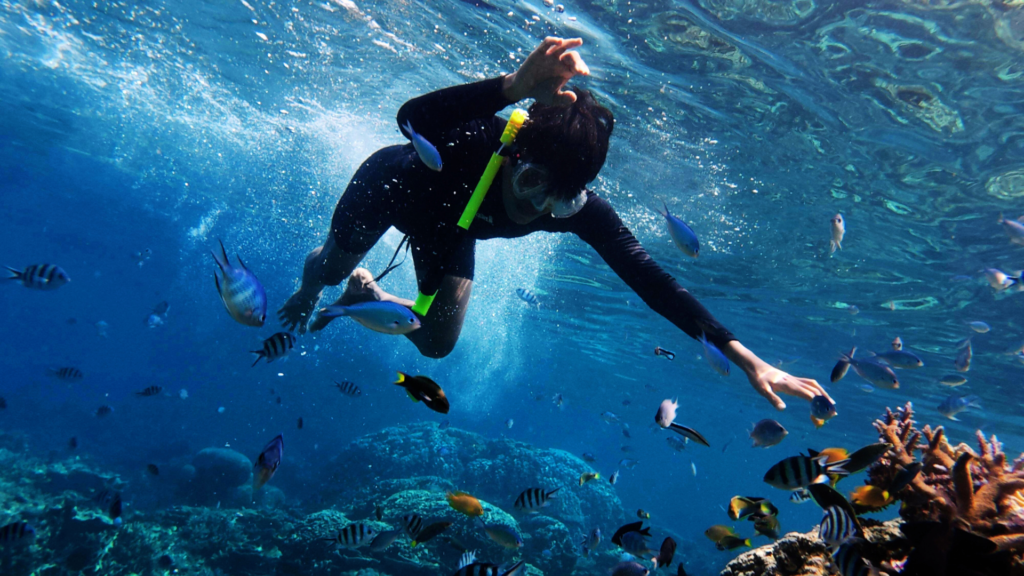
Snorkelling is a premier activity for tropical adventures, offering close encounters with vibrant coral reefs. It requires minimal equipment—a mask, snorkel, and fins—and provides access to underwater ecosystems teeming with colourful fish, sea turtles, and other marine life.
Choosing reefs protected by local conservation efforts ensures visitors contribute to sustainable tourism. Many locations offer guided snorkelling tours that highlight notable reef features and teach about reef preservation. Snorkelling is suitable for various skill levels, making it accessible and rewarding for most travellers.
Hiking and Outdoor Excursions
Tropical regions often feature diverse trails that showcase waterfalls, jungles, and panoramic coastal views. Guided hikes can reveal native flora and fauna while educating travellers on the area’s ecological importance.
Hiking offers physical activity paired with opportunities to respect local wildlife by staying on marked paths and avoiding disturbances. Popular hikes may vary from easy walks to challenging climbs, allowing customisation based on skill and interest levels.
Embracing Local Culture and Traditions
Interacting with local communities deepens the adventure through authentic cultural activities. This includes participating in traditional crafts, cooking local dishes, or attending festivals that reflect island heritage.
Respect and openness are essential when engaging with cultural experiences. Travellers are encouraged to listen, observe, and contribute respectfully, supporting local artisans and cultural preservation efforts while gaining meaningful insights.
Tours and Unique Experiences
Organised tours provide structured ways to explore less accessible areas or try unique activities like boat trips, wildlife spotting, or night excursions. These experiences often combine education and entertainment, catering to diverse interests.
Selecting tours led by knowledgeable guides ensures a safe, informative experience and helps support the local economy. Additionally, tours focused on responsible interaction with wildlife and nature promote sustainable tourism practices that benefit both visitors and host communities.
Responsible and Safe Travel Practices
Careful planning for environmental impact and personal safety enhances any tropical trip. Travellers must consider waste reduction and health precautions to protect themselves and the destination.
Sustainable Travel and Reducing Waste
Travellers should bring a reusable water bottle to avoid single-use plastics, especially in remote areas where plastic disposal is limited. Carrying reusable bags and avoiding packaged snacks helps reduce waste further.
Respecting local wildlife means observing animals from a distance and avoiding feeding them. This supports healthy ecosystems and prevents behavioural changes in animals. Choosing eco-friendly accommodations that prioritise sustainable travel practices also contributes to conservation efforts.
Travellers can minimise impact by using reef-safe sunscreen to protect marine life. Supporting local businesses that follow environmentally conscious practices encourages sustainable tourism.
Staying Healthy and Emergency Preparedness
Sun protection is crucial in tropical climates. Using high-SPF sunscreen, wearing hats, and seeking shade during peak hours reduces the risk of sunburn and heat-related illnesses.
Carrying a first aid kit equipped with bandages, antiseptics, and necessary medications helps address minor injuries promptly. Knowing the location of the nearest medical facilities prepares travellers for medical emergencies.
Vaccinations and prophylactics may be required depending on the destination. Staying hydrated and monitoring for symptoms of tropical illnesses are necessary for maintaining health during the trip.