
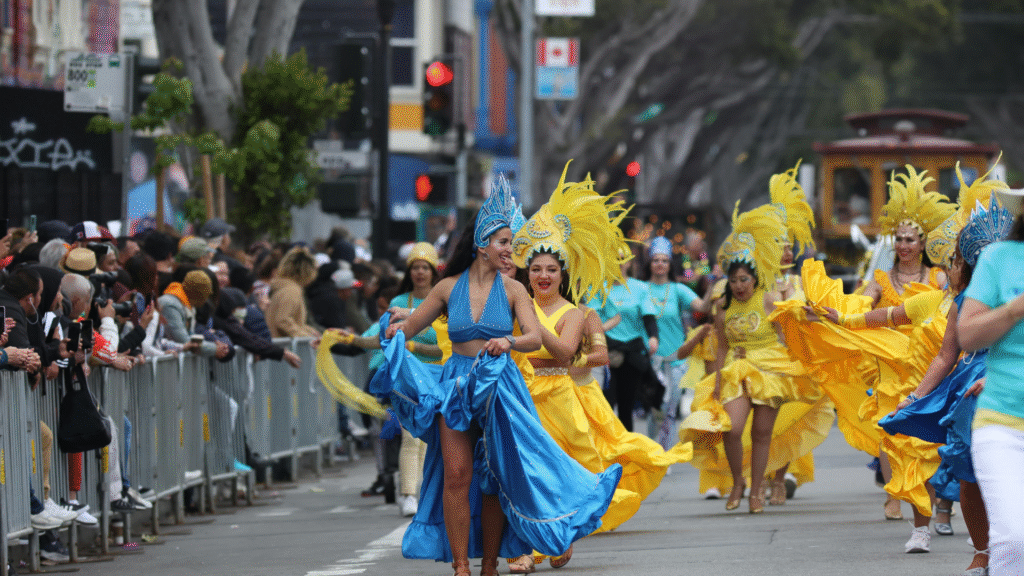
Brazil’s Carnival is one of the most vibrant and captivating festivals in the world, drawing millions of visitors each year. To fully enjoy this incredible cultural experience, travellers should plan ahead, knowing the best times to visit, what to pack, and how to navigate local customs. With its dazzling parades, lively music, and festive atmosphere, Carnival offers more than just a party; it’s an immersive insight into Brazilian culture.
Travelling during Carnival can be overwhelming, but understanding key aspects can enhance the experience. Attendees should familiarise themselves with different types of events, from street parties to samba parades, to choose which fits their interests best. Staying mindful of safety, local transportation options, and accommodation tips is crucial for a smooth journey in this colourful celebration.
Preparation before the trip can make a significant difference. Knowing the essential items to bring and how to adapt to local customs can help travellers avoid common pitfalls. Exploring these travel tips will ensure that visitors to Brazil’s Carnival have an unforgettable adventure while embracing this unique cultural phenomenon.
Planning Your Brazilian Carnival Experience
Attending the Brazilian Carnival requires thoughtful planning to maximise the experience. Key considerations include selecting the ideal city, securing accommodations and transportation, and obtaining Carnival tickets.
Choosing the Right City
The most popular cities for Carnival are Rio de Janeiro, Bahia, and Recife. Each location offers a unique vibe and atmosphere.
- Rio de Janeiro: Known for its grand parades at the Sambadrome, it features extravagant costumes and samba schools competing for top honors.
- Bahia: Offers a more street festival vibe, emphasising Afro-Brazilian culture. Popular for its trio elétrico trucks and lively atmosphere.
- Recife is known for its cultural richness, featuring traditional frevo music and dance. Its focus is more on local customs than on large parades.
Choosing the right city hinges on personal preferences for music, culture, and style.
Accommodation and Transportation
Securing accommodations early is crucial due to high demand during Carnival. Popular options include hotels, hostels, and vacation rentals.
- Accommodation Tips:
- Book several months in advance.
- Consider locations close to main events or parades.
- Look for properties that offer flexible cancellation policies.
Transportation is vital to navigate busy streets and event locations. Options include:
- Public Transport: Buses and metro systems, especially in Rio, are reliable.
- Ride-Sharing Services: Apps like Uber are widely used.
- Walking: Many areas are pedestrian-friendly, especially in Bahia and Recife.
Carnival Tickets and Passes
Tickets are necessary for some events, especially in Rio’s Sambadrome. Options vary based on experience preference:
- Sambadrome Tickets: Range from basic to premium seating. Prices depend on the section and day of attendance.
- Street Party Passes: In cities like Bahia, attending street block parties often requires purchasing passes. These enhance the festive atmosphere and include access to exclusive areas.
Purchasing tickets in advance is advised, as many events sell out quickly. It’s beneficial to explore combinations of events for the fullest experience.
Immersing in the Carnival Festivities
Experiencing Carnival in Brazil means diving into vibrant celebrations filled with music, dance, and culture. From spectacular Samba parades to lively street parties and glamorous balls, each aspect offers a unique way to enjoy this festive season.
Samba Parades and Samba Schools
The Samba parades are the highlight of Carnival, particularly in Rio de Janeiro. They take place at the Sambadrome, where the Special Group Parade features top Samba schools. These schools spend months preparing elaborate floats and costumes, showcasing their traditions and artistry.
Each school presents a themed performance, vying for the championship title. Spectators are treated to rhythmic beats and captivating choreography. Ticket options range from grandstand seats to special boxes for an up-close experience. Attending these parades is essential for anyone wanting to fully appreciate the spectacle of Carnival.
Street Parties and Blocos
Street parties, known as Blocos, are an integral part of Carnival. They attract locals and tourists alike, featuring live music, dancing, and vibrant costumes. Many Blocos have specific themes and festive spirits, allowing participants to join in the merriment.
These gatherings happen throughout neighbourhoods, including popular areas like Copacabana and Ipanema. Each Bloco has its unique character, from family-friendly events to wild dance parties. Joining a Bloco is an accessible way to engage with Carnival culture and celebrate with a diverse crowd.
Carnival Balls and Nightlife
Carnival balls offer a more refined way to enjoy the festivities. These glamorous events take place in lavish venues, where guests dress in formal attire or themed costumes. Many balls feature live music, DJS, and dance competitions, creating an electrifying atmosphere.
Some notable balls include the Magic Ball at the Copacabana Palace and themed events at other upscale locations. Attending these balls provides a blend of traditional Brazilian entertainment and high-class nightlife. They offer a chance to experience the elegance of Carnival while mingling with locals and fellow travellers.
Beyond the Carnival – Exploring Brazil’s Wonders
Brazil offers a rich tapestry of experiences beyond the vibrant Carnival celebrations. The country’s diverse nature and historical significance make it an enticing destination for travellers seeking adventure and knowledge.
Nature and Wildlife
Brazil is home to some of the most biodiverse ecosystems in the world. The Amazon Rainforest covers approximately 40% of Brazil, housing millions of species of flora and fauna. Visitors can explore the river and its tributaries, observing wildlife like pink dolphins, toucans, and sloths.
The Pantanal, the world’s largest tropical wetland, is another highlight. It provides opportunities for wildlife watching, including jaguars and capybaras. Eco-tourism in this region focuses on conservation, promoting sustainable practices that help preserve these vital habitats.
Travellers can participate in guided tours to ensure they experience the beauty of Brazil’s nature responsibly, all while supporting local communities and conservation efforts.
Cultural and Historical Sites
Brazil’s culture is rich with history, evident in its various architectural styles and historical landmarks. Salvador showcases colonial architecture with its colourful buildings and cobblestone streets. The historic Pelourinho district is a UNESCO World Heritage site filled with churches and museums.
Rio de Janeiro’s Christ the Redeemer statue stands as an iconic symbol of Brazil. Nearby, the Selarón Steps display vibrant tiles from around the world, reflecting the city’s artistic spirit.
In addition, visiting Carnival schools provides insight into the preparation and passion behind Brazil’s most famous festival, showcasing the cultural significance and artistic creativity that permeate Brazilian life.