
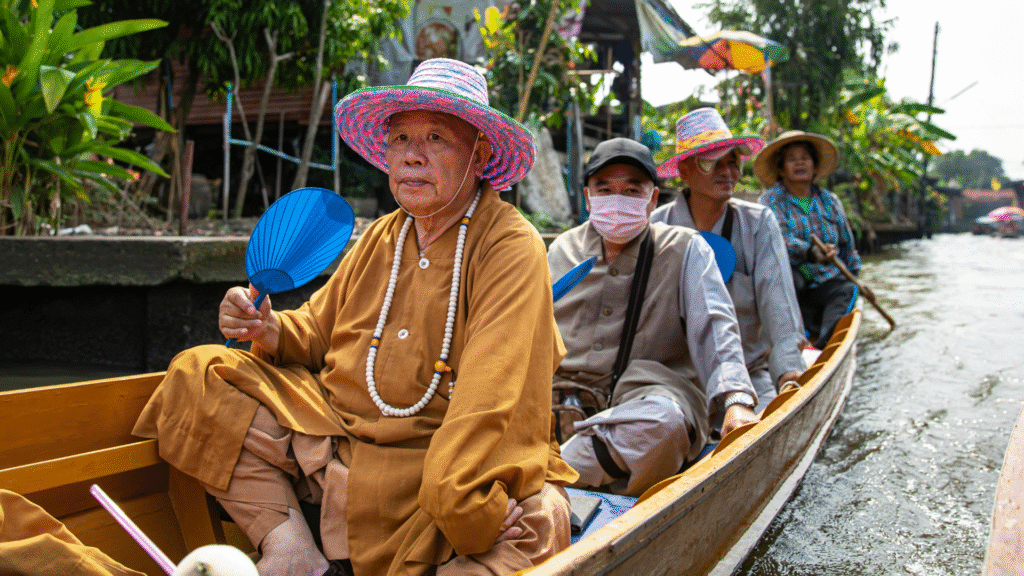
Community tourism offers a unique opportunity for travelers to engage with local cultures and lifestyles directly. By participating in community tourism, one can experience authentic interactions and contribute to sustainable development. This form of tourism emphasises responsible practices that benefit both visitors and local residents, promoting cultural exchange and economic support.
In this context, visitors can immerse themselves in local traditions, tastes, and daily routines, which fosters a deeper understanding of the destination. Such experiences not only enrich the traveller’s journey but also allow communities to preserve their heritage while gaining from the economic benefits of tourism. This dual focus on authenticity and sustainability makes community tourism a compelling choice for the conscientious traveller.
As more people seek meaningful travel experiences, community tourism stands out as a way to forge connections, respect local customs, and create lasting impacts. Engaging in this thoughtful approach to tourism helps ensure that communities thrive while visitors take home invaluable memories and insights.
The Essence of Community Tourism
Community tourism centres around genuine interactions between travellers and local inhabitants, promoting shared experiences and sustainable practices. It emphasises cultural understanding while fostering economic growth within communities.
Understanding Community-Based Tourism
Community-based tourism (CBT) is a model that prioritises grassroots participation in the tourism sector. It allows local residents to take an active role in planning and managing tourism initiatives. This involvement helps ensure that the benefits of tourism reach the community directly.
Key Characteristics:
- Local ownership of businesses and services
- Engagement in decision-making processes
- Emphasis on authentic experiences
CBT nurtures a sense of pride among locals, which enhances the authenticity of the tourist experience. Travellers benefit from meaningful interactions that enrich their understanding of local life.
Cultural Heritage and Local Traditions
Community tourism serves as a vital avenue for preserving cultural heritage. It allows communities to share their unique traditions, languages, and customs with visitors. This sharing fosters respect and appreciation for diverse ways of life.
Examples of Cultural Heritage:
- Traditional music and dance performances
- Craft-making workshops
- Local culinary experiences
Engaging travellers in these cultural practices helps sustain them for future generations. By experiencing and participating in local traditions, visitors gain deeper insights into the community’s identity.
Economic and Social Impact on Local Communities
The economic benefits of community tourism extend beyond immediate financial gain. By supporting local businesses, tourism strengthens the community’s economic foundation. This model promotes sustainable practices, ensuring that resources are preserved for future use.
Social Benefits Include:
- Job creation in areas like hospitality and craft industries
- Improved infrastructure and services due to increased tourism demand
- Enhanced community pride and cohesion
When visitors contribute to the community, they help create a sustainable cycle of growth. This model not only supports individual livelihoods but also fosters a connected and resilient community.
Sustainable Practices in Community Tourism
Community tourism integrates sustainable practices that benefit both the environment and local economies. By focusing on responsible travel, communities can maintain their cultural heritage while promoting conservation and economic development.
Promoting Environmental Conservation
Environmental conservation plays a crucial role in community tourism. Local tourism initiatives often prioritise protecting natural resources and habitats. This includes managing waste responsibly, conserving water, and using renewable energy sources.
In many areas, community-led efforts protect endangered species and restore local ecosystems. Tourists can engage in activities like tree planting or wildlife monitoring. Such initiatives not only enhance the visitor experience but also foster a greater appreciation for nature. By directly involving both tourists and residents, these practices create a sense of shared responsibility for the environment.
Economic Opportunities Through Sustainable Travel
Sustainable travel creates significant economic opportunities within communities. By focusing on local businesses, such as family-owned lodging, artisan crafts, and local cuisine, tourists help stimulate the local economy.
Employment opportunities increase when communities invest in tourism. When locals gain training in hospitality, tours, and conservation, they also develop valuable skills that can benefit various industries. This fosters self-sufficiency and reduces reliance on external funding.
When properly managed, these economic benefits can lead to long-term growth, ensuring that local cultures and environments thrive alongside tourism.
Education and Awareness Initiatives
Education and awareness initiatives are vital in advancing sustainable community tourism. Programs that educate both tourists and locals about sustainable practices foster better understanding and cooperation.
Workshops and guided tours can provide information about local ecosystems and cultural significance. This enhances the visitor’s experience while encouraging them to support sustainability efforts.
Communities often establish partnerships with NGOS and educational institutions to promote environmental awareness. Engaging storytelling and interactive experiences can significantly impact tourists, leading them to become advocates for conservation even after they leave.
Integrating Local Life and Visitor Experiences
Community tourism allows for a rich exchange between visitors and local culture. It emphasises meaningful interactions that enhance understanding and appreciation of local life through various means.
Homestays and Authentic Cultural Encounters
Homestays offer travellers an immersive way to experience local culture firsthand. By staying in a local resident’s home, guests gain insight into daily life, customs, and traditions. This genuine interaction fosters a deeper connection to the community.
Homestays often include shared meals, where visitors can savour traditional dishes while sharing stories. Engaging in daily activities, such as farming or crafting, also provides a unique perspective on the local way of life. Therefore, homestays become a key component of community tourism, enriching the visitor’s experience.
Supporting Local Businesses and Crafts
Visitors play a crucial role in supporting local economies through their patronage of local businesses. Dining at family-run restaurants, shopping at artisan markets, and attending workshops all contribute to sustainable economic growth. This support enables communities to maintain their cultural heritage while providing authentic experiences for visitors.
Engaging with skilled artisans allows travellers to learn about traditional crafts, such as textiles or pottery. Participating in these activities fosters a genuine appreciation for the craftsmanship and storytelling behind each product. Furthermore, direct interactions with local entrepreneurs strengthen community ties and promote fair trade practices.
Responsible Travel and Cultural Practices
Responsible travel is essential to ensuring that tourism remains a positive force for local communities. Travellers are encouraged to be respectful of local customs and practices. This mindfulness can significantly enhance their overall experience.
Adopting sustainable practices, such as minimising waste and supporting eco-friendly initiatives, also contributes to the preservation of the environment and culture. Engaging with local groups that promote heritage conservation helps ensure that cultures remain vibrant and preserved for future generations. Such efforts highlight the importance of cultural sensitivity and sustainable tourism.
Challenges and Opportunities in Community Tourism
Community tourism presents various challenges and opportunities that must be navigated effectively. Key issues involve managing overtourism and its resulting impacts, while also harnessing the power of marketing for better outreach. Additionally, fostering strong partnerships with tourism organisations can enhance community engagement and sustainability.
Managing Overtourism and Its Effects
Overtourism poses significant challenges to community tourism. High visitor numbers can strain local resources and infrastructure, leading to environmental degradation and reduced quality of life for residents. Communities must implement strategies such as visitor caps or timed entry to popular sites to manage flows effectively.
Engaging local stakeholders in decision-making is essential. They can provide insights into the realities of living with tourism and propose practical solutions. By balancing tourist numbers with local needs, communities can preserve both their culture and environment.
Marketing and Promotion of Community Tourism
Effective marketing is crucial for community tourism. Communities can benefit from highlighting unique local experiences that differentiate them from mass tourism destinations. Strategies may include using social media platforms to reach wider audiences, showcasing authentic cultural practices, and organising events that draw attention.
Creating attractive marketing materials is vital. Using visuals such as photos and videos can help showcase local attractions. Collaboration with influencers or travel bloggers can further amplify reach and create genuine interest in community tourism experiences.
Fostering Partnerships with Tourism Organisations
Strong partnerships with tourism organisations can provide significant advantages. They often offer resources, funding, and expertise that communities may lack. By collaborating with local agencies, communities can improve training for service providers and enhance visitor experiences.
Networking with broader tourism networks also helps communities gain visibility. These partnerships encourage knowledge sharing among stakeholders, fostering innovation in community tourism approaches. Engagement with organisations helps ensure that tourism development aligns with community goals, benefiting both residents and visitors.