
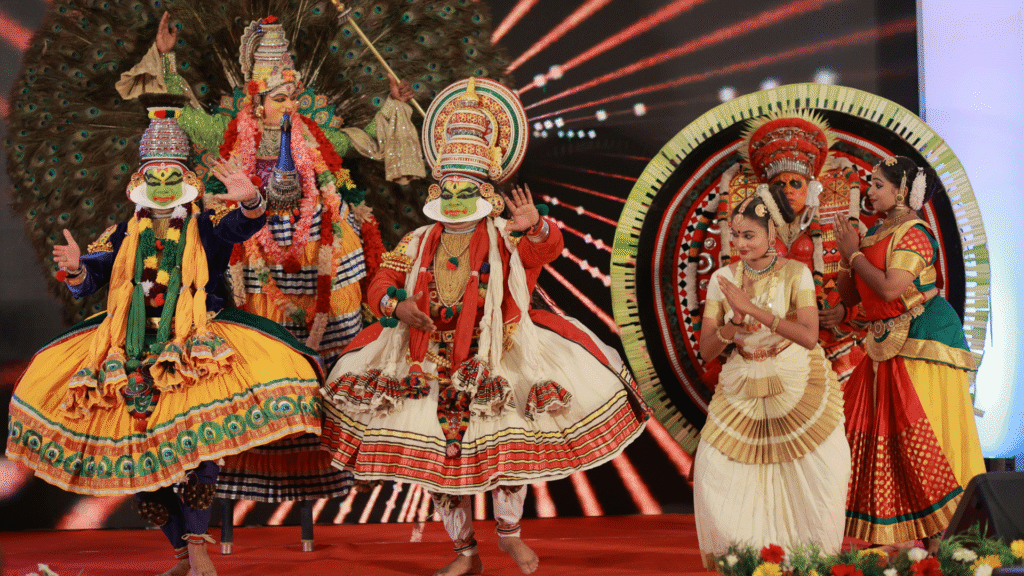
Cultural festivals around the globe offer vibrant celebrations that showcase the rich traditions and diversity of societies. Exploring these events provides insight into unique customs, art forms, and culinary experiences that reflect the spirit of each location. From the electrifying atmosphere of Brazil’s Carnival to the serene beauty of Japan’s Cherry Blossom Festival, these gatherings unite people in joyful expression and community celebration.
Travelling to these festivals allows individuals to immerse themselves in the local culture, fostering a deeper understanding of customs and traditions. Each festival serves as a gateway to cultural exchange, where attendees can witness firsthand the practices that define a community. Participating in these events not only creates memorable experiences but also promotes appreciation for the world’s cultural diversity.
In a world increasingly interconnected, experiencing such vibrant cultural festivals stands as a reminder of the beauty found in our differences. They inspire global connectivity and invite everyone to share in the joy and significance of cultural heritage.
Global Significance of Cultural Festivals
Cultural festivals play a vital role in promoting intercultural understanding and the celebration of diversity. They attract diverse audiences and contribute significantly to local economies and global tourism.
The Impact on Tourism
Cultural festivals draw visitors from around the globe, enhancing the appeal of destinations. Local and international travellers attend these events, seeking unique experiences and rich traditions.
Tourism associated with festivals leads to increased hotel bookings, restaurant visits, and local shopping. Events such as the Rio Carnival or Diwali in India attract millions, generating significant revenue.
Communities also benefit as festivals showcase local talents, traditions, and cuisines. This fosters cultural exchange while promoting pride in local heritage.
Festivals as a Reflection of Cultural Identity
Cultural festivals serve as a mirror of a community’s identity and values. They present art, music, dance, and cuisine unique to a region or culture. Such representations foster appreciation for cultural diversity.
Traditions shared during festivals create a sense of belonging. Celebrating age-old customs alongside contemporary influences demonstrates the evolution of cultural practices.
In essence, festivals provide a platform for dialogue and understanding among different cultures. They promote respect and curiosity about diverse ways of life.
Economic Benefits of Major Festivals
Major cultural festivals significantly boost local economies. They create jobs in various sectors, from hospitality to event management, contributing to long-term development.
Additionally, sponsorships and partnerships with businesses provide financial support, enhancing event quality. Festivals can also spur infrastructure improvements, such as better transportation and facilities.
Cities hosting large festivals benefit from increased visibility on a global scale. This not only attracts visitors but also has lasting effects on tourism and business growth in the area.
Iconic Cultural Festivals by Region
Various cultural festivals around the world highlight the unique traditions and customs of different regions. Each celebration offers a glimpse into the local history, art, food, and social values.
Asia’s Cultural Tapestry
Asia boasts numerous vibrant festivals, each reflecting its rich heritage. Holi in India celebrates the arrival of spring with colourful powders, uniting communities in joyous celebration.
The Songkran Festival in Thailand marks the Thai New Year, known for its massive water fights. This festival symbolises cleansing and renewal, as participants splash water on each other to wash away misfortunes.
Japan’s Cherry Blossom Festival captivates visitors with breathtaking sakura blooms. It signifies the fleeting nature of life and attracts thousands who enjoy hanami (flower viewing).
Lastly, the Mid-Autumn Festival unites families in several Asian cultures. It features mooncakes and lanterns, celebrating harvest and reunion under the full moon.
Europe’s Historical Celebrations
Europe features festivals steeped in tradition that capture its diverse history. Oktoberfest in Germany stands as the world’s largest beer festival. Visitors savour local brews and indulge in traditional German food in tents filled with music and dance.
La Tomatina in Spain transforms the town of Buñol into a vibrant scene of friendly chaos. Participants engage in a massive tomato fight, symbolising community spirit and laughter.
Scotland’s Edinburgh Festival Fringe offers a platform for performers from around the globe. This arts festival showcases theatre, comedy, and music, promoting cultural exchange and creativity.
The Carnival of Venice enchants visitors with its elaborate masks and luxurious balls. This historic celebration features parades that evoke the city’s rich artistic legacy.
The Americas’ Diverse Festivities
In the Americas, cultural festivals reflect the region’s diversity. The Rio Carnival in Brazil is renowned for its samba parades and elaborate costumes, attracting millions who experience vibrant music and dance.
Dia de los Muertos (Day of the Dead) in Mexico honours deceased loved ones through colourful altars and traditional offerings. This celebration combines indigenous beliefs with Catholic traditions, creating a unique cultural practice.
The Mardi Gras festival in New Orleans features lively parades and floats. It celebrates cultural resilience with jazz music, elaborate costumes, and Creole cuisine.
Further north, Canada’s Calgary Stampede showcases rodeo culture and western heritage. This event includes rodeo competitions, shows, and hearty local food.
African and Middle Eastern Traditions
Africa and the Middle East host festivals filled with rich traditions. The Durbar Festival in Nigeria announces the end of Ramadan with horse parades and cultural displays. It showcases royalty, history, and vibrant attire.
In Morocco, the Gnaoua World Music Festival unites various musical genres, celebrating the country’s diverse cultural influences. Artists from around the world perform, creating a fusion of sounds.
The Dubai Shopping Festival combines culture with commerce, featuring concerts, fireworks, and parades. It highlights the UAE’s modern identity while celebrating its traditions.
Egypt’s Abu Simbel Sun Festival marks the sun illuminating the temple of Ramses II. This ancient event attracts tourists eager to witness this astronomical phenomenon at historic sites.
Unique Festival Experiences for Travellers
Travellers can engage in distinctive cultural celebrations that offer a feast for the senses. From indulging in local cuisines to experiencing immersive art, these festivals present unforgettable moments. Understanding how to navigate these events can enhance the experience.
Foods and Flavours of Celebration
Food plays a crucial role in many festivals worldwide. For instance, during Thailand’s Songkran Festival, traditional dishes such as Pad Thai and Som Tum are widely enjoyed. Similarly, Brazil’s Carnival features street food stalls offering feijoada, a delicious black bean stew.
Travellers should be open to trying local delicacies to fully embrace the culture. Festivals often feature food markets where visitors can sample different flavours. Some festivals even include cooking classes, allowing guests to learn about local ingredients and recipes.
The Role of Art and Performances
Art installations and performances are integral to cultural festivals globally. In Germany, the Oktoberfest showcases not just beer but also music and dance, with visitors enjoying traditional Bavarian performances. In Ethiopia, festivals highlight cultural dances that tell stories of the region’s history.
Travellers can immerse themselves in the artistic expressions of each festival. This includes exploring art exhibits in Italy that feature local artists or attending music festivals in the USA that spotlight diverse genres. The experience can be profoundly enriching.
Navigating Festivals: Tips and Tricks
Navigating large festivals can be challenging. Advance planning is essential. Travellers should consider purchasing tickets early, as many events offer discounts for early bird purchases.
It’s beneficial to book accommodations close to festival sites. Public transportation may be crowded, so having a backup plan for getting around is wise. Travellers might also bring a portable charger for their devices. Being prepared enhances enjoyment and minimises stress during the celebrations.