
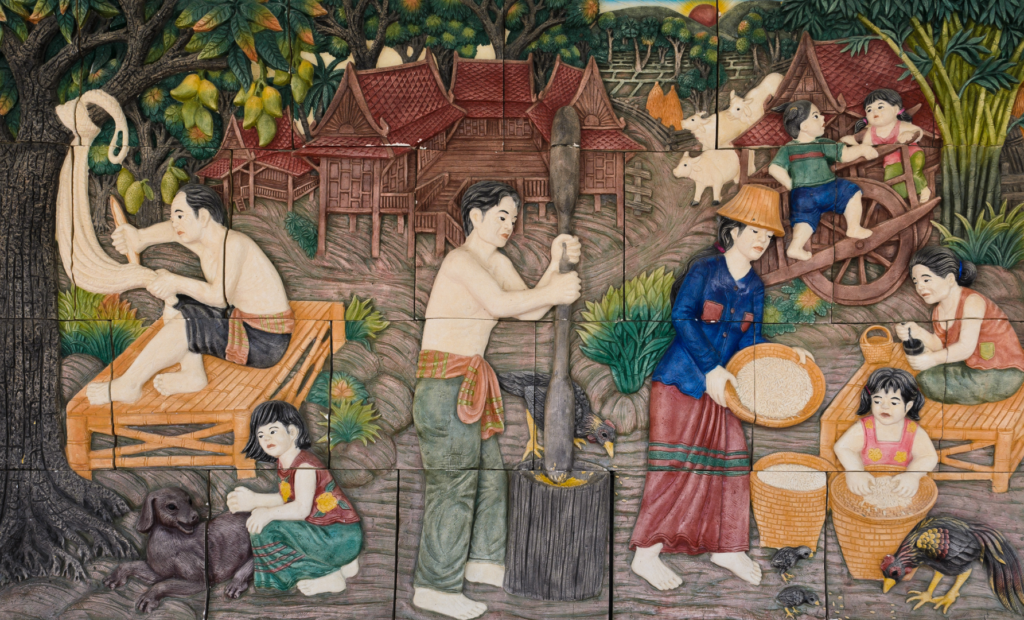
Cultural immersion is a true experience where a person is able to indulge in the culture and traditions along with customs and daily life activities of different communities. Compared to other kinds of tourism that holds an otherwise shallow attraction, cultural immersion creates true relationships as well as builds deep comprehension of various lifestyles. This sojourn in another culture will transform your thinking, and experiences will be enriched, as well as empathize with the globalized world.
Observing a culture is well beyond seeing; it involves interacting with its people. Whether learning a regional language, sharing meals, or participating in cultural ceremonies, taking the time to get involved in a culture opens your eyes to experiences textbooks and travel guides cannot provide. You might learn to cook a regional dish, participate in festivals, or even volunteer in community projects-deepening your tie to the people and place.
Personal growth is one of the most powerful facets of this type of immersion. One learns to become flexible and resilient through leaving their comfort zone and exposing themselves to completely new experiences. Different social norms around unfamiliar environments, not to mention a communication barrier across languages, can surely boost problem-solving skills and build confidence. This journey does more than open up horizons-it improves appreciation for diversity.
Cultural immersion will therefore foster empathy and deeper understanding. As you live directly among the people, you will learn about their difficulties, what they hold valuable, and what they aspire to achieve. The firsthand experience breaks down stereotypes and misconceptions, letting you understand a given situation from a totally new perspective. The connections you foster make this world a place of pure diversity and unity.
Sometimes, travel with an open mind to learn more of the new culture in which you are visiting. Prior research will make your experience better because one needs to be very flexible and able to adapt to new surroundings. Consider participating in homestays, joining local workshops, or taking guided tours with community members. Interactions may lead to meaningful conversations that gain authentic relationships that help to broaden your understanding of the culture.
Generally, while being cultured one must respect and consider oneself humble. Every culture will have its own customs and practices. Being respectful and mindful of such differences shows appreciation for the community one is engaging with. Active listening, asking questions, and expressions of gratitude can be great ways of establishing trust and rapport.
In a world that often seems to be against itself, cultural immersion is a bridge that builds elements of the background and experience of people. It teaches us to celebrate differences and embrace the unifying human essence all share as one. In this direction, to immerse ourselves in other cultures, we become ambassadors of understanding and cultivate compassion and solidarity in an increasingly interconnected world.
So, whether planning the next trip or hoping to explore local cultures in your own community, take time to ponder the deep and profound ways cultural immersion can impact you. Soak yourself in the unknown and learn from it, allowing the rich melting pot of cultures around you to spice up life in ways you never knew you wanted.