
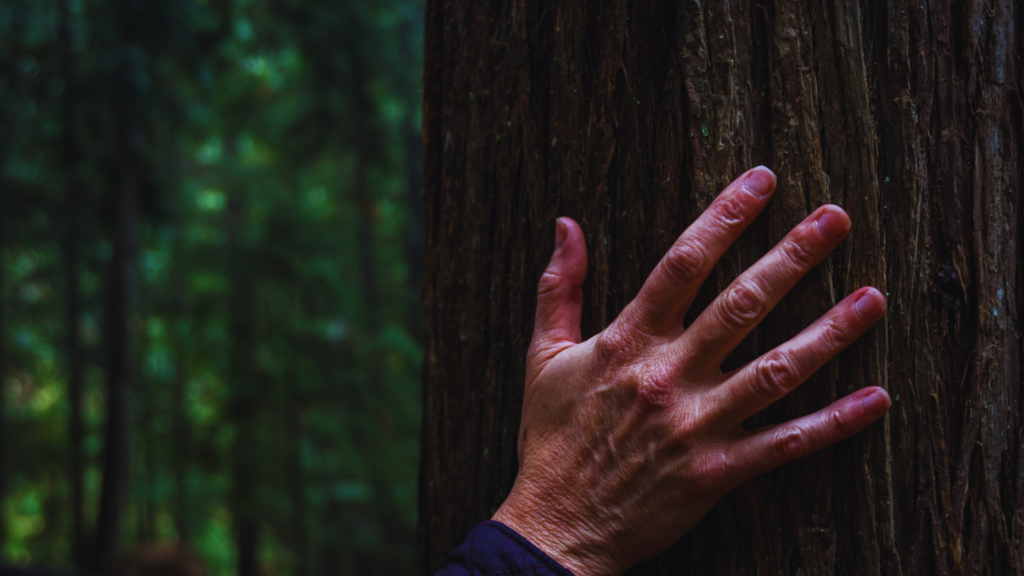
Many individuals seek a deeper understanding of themselves and the world around them. Connecting spiritually with nature offers a profound pathway to achieve this. Engaging with the natural environment allows individuals to experience a sense of peace and unity that fosters personal growth and insight.
Spiritual connection with nature typically involves intentional practices such as mindfulness, meditation, and spending time outdoors. These activities help individuals become more attuned to the rhythms of the earth, leading to a greater appreciation for the beauty and complexity of life. By immersing themselves in their surroundings, they can cultivate a meaningful bond with the natural world.
Exploring the sights, sounds, and sensations of nature can awaken the spirit and promote a feeling of belonging. Engaging fully with physical landscapes nurtures an understanding of one’s place in the ecosystem, ultimately enriching life’s experience.
Understanding the Spiritual Connection with Nature
Connecting with nature offers profound insights into spirituality, fostering a sense of inner peace and personal growth. Engaging with the natural world can enhance mindfulness and promote eco-spirituality, illustrating the interconnectedness of all living things.
The Role of Mindfulness in Nature
Mindfulness in nature encourages individuals to become fully present in their surroundings. Instead of rushing through daily routines or remaining distracted by screens and responsibilities, spending time outdoors allows people to slow down and truly observe the world around them.
Paying attention to the gentle movement of leaves, the warmth of sunlight, the scent of fresh earth after rain, or the sound of birds singing can create a stronger sense of awareness and appreciation for the natural environment. These small observations often help people feel grounded and connected in a meaningful way.
Practices such as meditation, deep breathing, or quiet reflection in natural settings can further enhance spiritual experiences. Sitting beside a flowing river, walking barefoot on grass, or listening to the rhythmic sound of ocean waves can bring a calming effect to the mind and body.
Regularly spending time in nature can also improve emotional well-being and reduce stress levels. Natural environments often provide a break from the fast pace and constant stimulation of modern life. Even simple activities such as gardening, taking a walk in a park, or watching a sunset can create moments of calm and clarity. Over time, these mindful experiences may help individuals develop greater patience, emotional balance, and gratitude for the world around them.
Eco-Spirituality and Interconnectedness
Eco-spirituality highlights the relationship between spirituality and nature, recognising that all life forms are interconnected. This perspective invites individuals to see beyond their personal existence and understand their role within a larger ecological framework.
Acknowledging this interconnectedness can inspire a sense of responsibility towards the environment. It fosters a commitment to protecting natural habitats, recognising that the health of the planet directly influences personal well-being.
Incorporating eco-spiritual practices, such as rituals that honour nature, can deepen this connection. Such acts may include planting trees or participating in community clean-ups, reinforcing the bond between the individual and the ecological community.
Conservation and Spiritual Wellness
Engaging in conservation efforts is a vital aspect of nurturing spiritual wellness. When individuals actively protect natural resources, they contribute to a healthier planet while also enhancing their own spiritual journey.
And, it all starts at home with small yet meaningful actions. Simple and mindful steps can make a lasting difference. For example, if someone has a garden and notices a large number of bees gathering nearby, it is completely understandable to be concerned, especially if a hive begins forming close to windows or living spaces.
However, instead of destroying them, choosing a safe and humane removal method can help protect these important pollinators. A professional Tempe bee removal company, or elsewhere, specialise in relocating bees safely without harming the colony, allowing both people and nature to coexist more responsibly.
Likewise, another thoughtful conservation effort is reducing unnecessary water waste at home. Collecting rainwater for gardening, fixing leaking taps, or using water-efficient appliances may seem like small actions, but they help preserve an essential natural resource.
Acts of conservation can instil a sense of purpose and fulfilment. Also, volunteering for ecological projects or advocating for sustainable practices allows individuals to connect their spirituality with tangible actions.
Furthermore, this involvement can lead to a deeper appreciation of nature’s beauty and complexity. It cultivates a profound respect for the environment, reinforcing the idea that spiritual growth is intertwined with the health of the Earth.
Practical Ways to Connect with Nature
Connecting with nature can be achieved through various practical activities that deepen awareness and appreciation of the natural world. Engaging in mindful practices and routine interactions can foster a profound spiritual connection.
Mindful Nature Walks and Forest Bathing
Walking in nature invites individuals to experience the environment fully. During a mindful nature walk, attention is given to sensory details—like the sounds of birds, the texture of leaves, and the scent of the earth.
Forest bathing, rooted in Japanese tradition, encourages immersion in a forest environment. Participants are urged to slow down, breathe deeply, and attune to their surroundings. This practice can enhance mood and reduce stress, creating an almost meditative state.
Setting aside time to wander without a specific goal helps cultivate presence. Simple techniques like focusing on breathing or silently observing wildlife can transform a walk into a meaningful experience.
Gardening and Engaging with Natural Cycles
Gardening is an intimate way to engage with nature and nurture the environment. Participants learn about seasonal cycles, plant care, and the interconnectedness of life.
By observing the growth stages of plants, individuals gain insight into the rhythms of nature. This can lead to a better understanding of the importance of biodiversity and environmental stewardship.
Hands-on activities such as planting seeds or tending to a garden can foster a sense of accomplishment and connection. Engaging with soil, water, and sunlight allows for direct interaction with the earth’s processes, promoting mindfulness and appreciation.
Sun-Gazing, Cloud-Gazing, and Observing Natural Beauty
Sun-gazing involves safely allowing sunlight to reach one’s eyes during specific times, promoting relaxation and mindfulness. This practice is often associated with embracing the day’s energy and connecting with the sun as a vital source of life.
Cloud-gazing offers a reflective experience, where individuals watch clouds transform and drift. This activity encourages imagination, allowing thoughts to flow freely while observing patterns and formations in the sky.
Observing natural beauty, whether it’s a scenic vista or a small garden, can instil a deep sense of gratitude. Taking time to appreciate beauty reinforces a connection to the environment and enhances emotional well-being.
Benefits of Connecting with Nature
Connecting with nature offers numerous advantages for wellness, mental health, and spiritual resources. Engaging with the natural world can significantly enhance physical well-being and promote a sense of inner peace. The benefits encompass both mental and physical aspects, creating a holistic improvement in quality of life.
Improving Mental and Physical Health
Spending time in nature can lead to notable improvements in both mental and physical health. Research indicates that regular exposure to natural environments can lower blood pressure, reduce heart rate, and enhance overall physical vitality.
Furthermore, interacting with nature has positive effects on mental health. It can alleviate symptoms of anxiety and depression, fostering a state of emotional balance. Natural settings encourage physical activity, whether through walking, hiking, or simply exploring, leading to improved fitness levels and well-being.
Stress Reduction and Inner Peace
Nature serves as a powerful antidote to stress. The tranquillity of natural environments promotes relaxation and encourages mindfulness. The sounds of rustling leaves, flowing water, and birdsong contribute to a calming atmosphere that helps to clear the mind.
Studies have shown that even short walks in nature can significantly decrease levels of the stress hormone cortisol. The act of immersing oneself in natural surroundings fosters a sense of inner peace, providing individuals with the tools to cope with daily stresses more effectively.
Enhancing Spiritual Resources
Engaging with nature can deepen one’s spiritual practice and connection. Many individuals find that spending time outdoors fosters a sense of belonging and interconnectedness with the universe.
Nature often serves as a source of inspiration, promoting reflection and self-discovery. Spiritual practices such as meditation or prayer can be enhanced in natural settings, where the beauty and vastness of the environment evoke a sense of awe. This connection can lead to a richer understanding of oneself and the world.