
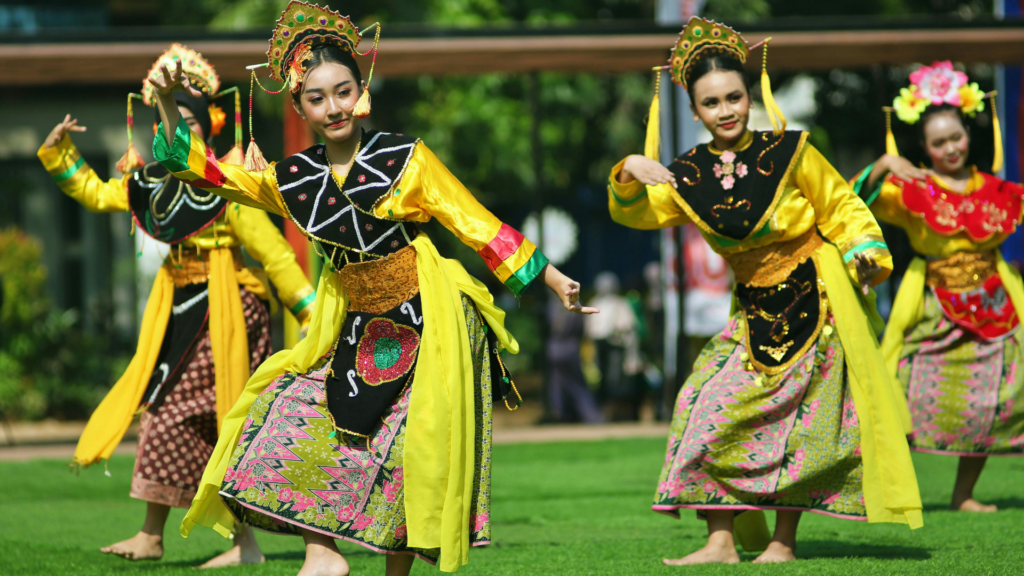
Cultural festivals offer a unique window into different traditions, values, and histories. To fully appreciate these events, visitors need to approach them with respect and awareness. Respectful participation means understanding the significance of customs and avoiding behaviours that could be seen as inappropriate or disrespectful.
Attendees should take the time to learn about the cultural context before or during the event. This awareness helps avoid misunderstandings and shows genuine appreciation for the community hosting the festival.
By following simple guidelines and remaining open to learning, people can enjoy cultural festivals in a way that honours the people and traditions involved. This approach enriches the experience and builds mutual respect.
Fundamental Principles for Respectful Festival Participation
Respectful participation in cultural festivals involves recognising the deeper meanings tied to traditions, community values, and social norms. It requires awareness of local customs and an understanding of the roles these festivals play in preserving cultural heritage.
Understanding the Festival’s Cultural Significance
Every cultural festival represents centuries of tradition and collective memory for its host community. Participants should research the festival’s origins, symbolism, and purpose to appreciate its importance beyond surface celebrations.
For example, Diwali in India is not only a festival of lights but a celebration of good over evil and spiritual renewal. Understanding such layers helps visitors avoid trivialising or misrepresenting the event’s heritage.
Engaging respectfully means valuing these meanings, recognising that festivals often serve as a way for communities to reinforce identity and transmit cultural practices.
Cultural Sensitivity and Cross-Cultural Understanding
Cultural sensitivity involves acknowledging differences in belief systems and practices without judgment. Visitors must approach festivals with an open mind and refrain from imposing their own cultural standards.
Effective cross-cultural understanding requires active listening and observing behaviours before participating. This mindset helps prevent misunderstandings or offences related to attire, language, or rituals.
For instance, wearing traditional attire incorrectly at Indian festivals may be seen as disrespectful. Respectful participation means adapting to local customs rather than expecting them to adapt.
Navigating Local Customs, Traditions, and Social Norms
Respecting social norms means following the behavioural expectations set by the host community during cultural festivals. This includes dress codes, greeting practices, and participation limits.
Some festivals enforce strict roles for guests, such as remaining observers rather than active participants in sacred rites. Recognising these boundaries protects the integrity of cultural traditions.
Visitors should ask permission before taking photographs or joining specific ceremonies. Simple acts like removing shoes before entering homes or temples show respect for local customs.
Recognising and Respecting Sacred Spaces
Many cultural festivals take place in or involve sacred spaces like temples or shrines. These locations hold religious and cultural heritage significance for the community.
It’s essential to follow guidelines on entering, behaviour within, and attire around these spaces. For example, during Diwali temple visits, attendees must often dress modestly and avoid loud conversations.
Ignoring sacred space protocols can be deeply offensive to hosts. Visitors should prioritise reverence and humility when near these areas to honour the cultural and spiritual meanings embodied there.
Practical Tips for Engaging with Local Culture
Respectful cultural engagement often hinges on understanding subtle social cues, dressing appropriately, and actively learning about traditions. Recognising these elements enhances the experience and fosters genuine connections.
Appropriate Attire and Dress Codes
Dressing according to local customs shows respect and helps avoid unintentional offence. In many cultures, modest clothing is required, especially at religious or sacred festivals.
For example, at Japan’s tea ceremony, guests wear formal, clean attire, often traditional or understated, to honour the ritual’s solemnity. Bright or revealing clothes may be inappropriate in these settings.
Visitors should research the festival’s typical dress code in advance. Carrying a scarf or shawl can be useful to cover shoulders or knees when needed. Comfortable shoes are essential, but should fit cultural expectations, such as removing shoes before entering certain venues.
Understanding Festival Etiquette and Personal Space
Each culture has unique social boundaries. Maintaining appropriate personal space and behaving politely around strangers is critical.
In crowded festivals, people often avoid loud conversations or overt displays of affection. Following local cues—like bowing in Japan or handshakes in Western cultures—signals respect.
Visitors should observe how locals greet each other and mirror those behaviours. Interrupting or touching without permission can cause discomfort. Refraining from taking photos of private moments or sacred rituals without explicit consent is also important.
Learning and Using the Local Language
Basic phrases in the local language demonstrate cultural appreciation and openness. Simple greetings or expressions of thanks often elicit positive responses.
Visitors can learn key words like “hello,” “thank you,” and “excuse me” before attending a festival. Even limited proficiency can ease interactions with vendors or performers.
Using the local language when asking permission to join activities such as dances or rituals shows respect. It may also provide insight into the cultural significance behind those events, making the experience more meaningful.
Participating in Dances, Music, and Rituals
Active participation is encouraged, but should be done respectfully and with guidance. Observers can often join dances or music sessions, provided they follow local leaders’ instructions.
Understanding the purpose of rituals, like a traditional tea ceremony in Japan, helps avoid unintended disrespect. Visitors should watch carefully and mimic appropriate movements or gestures when invited.
When in doubt, asking politely before joining is better than assuming involvement. Respect for the sacredness or social importance of these practices ensures positive cultural interaction.
Ethical Engagement, Community Support, and Sustainability
Respectful participation in cultural festivals involves meaningful interaction with the local community, consciously supporting artisans and businesses, avoiding cultural insensitivity, and minimising environmental harm.
Engaging with Locals and Community Members
Attendees should approach locals with genuine curiosity and respect. Asking questions politely about traditions invites cultural exchange without assuming knowledge or making judgments.
Listening carefully and observing local customs before participating shows respect. This also helps visitors understand the significance of festival activities beyond entertainment.
Active engagement means valuing community voices and experiences. Visitors should avoid interrupting ceremonies or taking photos without permission. Respectful behaviour deepens connections and enriches the festival experience.
Supporting Local Artisans and Businesses
Purchasing goods directly from local artisans helps sustain traditional crafts and economies. Visitors should prioritise vendors native to the area rather than large commercial sellers.
Authentic products often carry cultural significance that mass-produced items lack. Supporting these artisans promotes cultural preservation and empowers local economies.
Choosing local food vendors and service providers further benefits the community. A clear way to contribute ethically is by researching vendors and avoiding counterfeit merchandise.
Avoiding Cultural Appropriation and Exploitation
Visitors must differentiate between appreciation and appropriation. Wearing sacred or ceremonial attire without understanding is disrespectful.
Using symbols or gestures without context can distort cultural meaning. Seeking permission to participate in or photograph rituals avoids exploitation.
Respect for ownership of cultural expressions prevents harm. It is important to follow community guidelines about sharing images or stories publicly.
Minimising Environmental Impact at Festivals
Festival-goers should plan to reduce waste by bringing reusable water bottles and bags. Disposing of trash properly protects local ecosystems.
Transportation choices impact the environment; using public transit or group rides reduces emissions. Staying on designated paths limits damage to natural or cultural sites.
Organisers and attendees share responsibility for sustainability. Respecting nature preserves the setting for future cultural events and community well-being.
Enriching Your Festival Experience
Engaging deeply with a cultural festival requires respect for local customs and curiosity about the community’s heritage. Travellers can enhance their experience by being open, thoughtful, and adaptive to unfamiliar practices.
Embracing Cultural Exchange with an Open Mind
Travellers should approach festivals with curiosity and respect, acknowledging that local customs often follow long-standing cultural heritage. Being open-minded means listening actively to stories, asking respectful questions, and observing behaviours without judgment.
Participation builds meaningful connections. For example, joining traditional dances or tasting local dishes demonstrates appreciation. However, it’s important to avoid imposing one’s own cultural views or assuming superiority.
Recognising the value of cultural immersion helps travellers appreciate subtle details, such as symbolic colours, rituals, or specific dress codes. This openness fosters positive exchanges between visitors and hosts.
Documenting and Sharing Your Experience Responsibly
Photographing and recording scenes can preserve memories, but travellers must prioritise consent and context. Asking permission before taking photos of individuals or sacred ceremonies is crucial.
Sharing on social media should respect the integrity of the festival and its community. Avoid posting images that misrepresent or commercialise cultural practices. Caption content accurately to educate rather than stereotype.
Best practices include:
- Respecting “no photography” zones
- Avoiding intrusive behaviour
- Highlighting local perspectives over personal interpretations
This responsible approach protects cultural heritage while enriching broader understanding.
Adapting to Unfamiliar Customs
Travellers often encounter customs that differ significantly from their own. Adapting means researching ahead and listening carefully to local guidance during the event.
Simple actions — like dressing modestly, removing shoes, or following seating arrangements — show respect. When unsure, observing others and asking discreetly helps avoid faux pas.
Being patient with language barriers or differing schedules also improves the experience. Flexibility encourages cultural immersion and signals genuine respect for local traditions, fostering goodwill.