
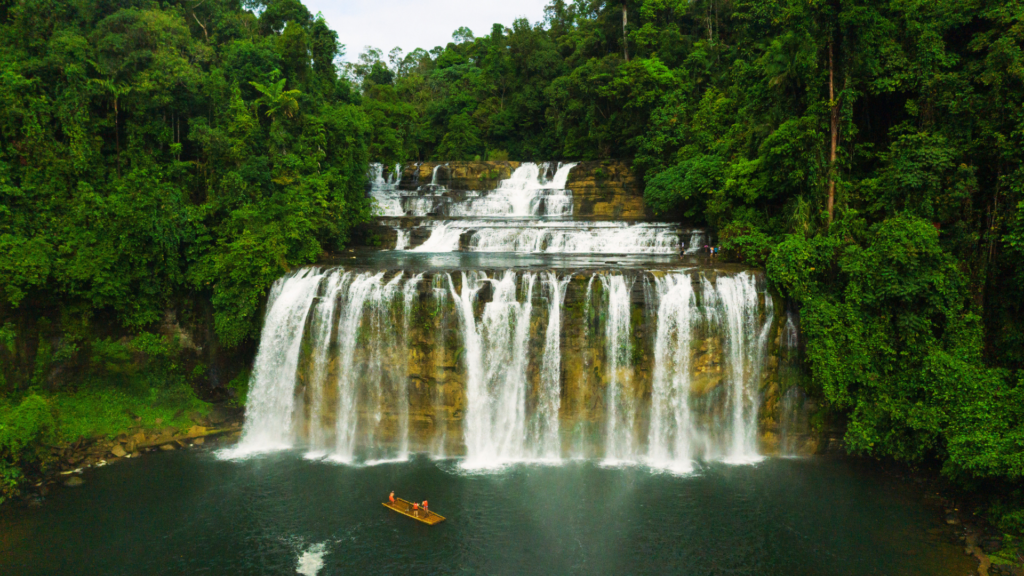
Exploring tropical waterfalls can be an unforgettable experience, but it requires caution to stay safe. Many accidents happen because visitors underestimate the risks of slippery rocks, strong currents, and unstable trails. To explore tropical waterfalls safely, it is essential to prepare properly, stay on marked paths, and be aware of weather conditions.
Understanding the terrain and respecting natural hazards reduces the likelihood of injury. Wearing appropriate footwear, avoiding risky swimming areas, and travelling with a guide or group make a significant difference in safety. These simple steps ensure a more enjoyable visit without unnecessary danger.
Waterfalls often look inviting, but can hide dangerous elements beneath the surface. Visitors must remain vigilant and avoid overconfidence to prevent accidents. Careful planning and caution allow people to experience the beauty of tropical waterfalls without compromising their well-being.
Planning A Safe Tropical Waterfall Adventure
Careful preparation is essential for hiking near tropical waterfalls. Knowing the right destination, seasonal risks, and emergency procedures significantly reduces dangers and ensures a smoother experience.
Researching Waterfall Destinations and Trails
Choosing a well-documented waterfall trail improves safety and enjoyment. Travellers should prioritise locations with clear maps, established paths, and user reviews describing trail difficulty and conditions.
Key research points:
- Trail length and elevation changes
- Water flow rates and swimming conditions
- Accessibility and nearby facilities
- Local wildlife and plant hazards
Checking official park websites or trusted hiking forums provides updated info on accessibility and any recent environmental changes. Avoid unmarked or rarely used paths to reduce the risk of getting lost or encountering hazardous terrain.
Understanding Seasonal Hazards in Tropical Regions
Seasonal weather dramatically affects waterfall safety. Heavy rains can cause flash flooding, slippery rocks, and unstable trails, especially during the wet season.
Hikers should:
- Identify the local rainy season and avoid visiting waterfalls during peak rainfall
- Confirm if recent weather has increased water volume or debris flows
- Monitor temperature changes that might affect trail conditions
- Use waterproof gear and sturdy footwear designed for slippery surfaces
Awareness of seasonal tides, if waterfalls connect to coastal areas, helps prevent unexpected strong currents.
Preparing An Emergency Plan For Remote Areas
Remote waterfall locations often lack cell service and immediate medical help. Planning an emergency response is crucial.
Essentials include:
- Sharing itinerary and estimated return time with a trusted contact
- Carrying a fully charged communication device, like a satellite phone or emergency beacon
- Packing a basic first aid kit equipped for cuts, sprains, and insect bites
- Learning basic wilderness survival and signalling techniques
- Knowing the nearest ranger station or emergency extraction points
Keeping calm and acting quickly during an incident can make the difference between minor issues and serious injuries.
Essential Safety Gear And Packing Tips
Proper footwear, protective gear for slippery surfaces, and adequate hydration and nutrition are crucial when exploring tropical waterfalls. These elements reduce risks related to rough terrain, sudden weather changes, and physical exertion.
Choosing The Right Hiking Boots And Footwear
Hiking boots with strong ankle support and grippy soles are essential. Waterproof materials protect feet from wet conditions common near waterfalls. A boot with a stiff sole helps when crossing rocky paths or uneven ground.
Boots should fit snugly but not too tightly to avoid blisters. Lightweight options reduce fatigue during long hikes. Trail runners can work for dry trails, but are less ideal for slippery or muddy terrain.
Boots with deep treads or Vibram soles improve traction on wet rocks. Boot maintenance, such as cleaning mud and checking for wear, prolongs effectiveness and safety.
Selecting Gear For Wet And Slippery Conditions
Non-slip gear, like trekking poles with rubber tips, provides extra balance on slick surfaces. Waterproof gloves offer grip and protect hands while scrambling or holding onto rocks.
A lightweight, quick-dry rain jacket shields from sudden rain without causing overheating. Waterproof bags or dry sacks protect electronics and food from moisture.
Slip-resistant socks and gaiters prevent debris entry and reduce slipping risk inside boots. Inspect gear regularly to avoid failures mid-hike, especially in humid environments that accelerate wear.
Packing Hydration And Nutrition Supplies
Carrying ample water is critical; a hydration bladder with a bite valve allows easy sipping without stopping. Bottles with filtered water systems can be practical in remote areas to prevent illness.
Pack high-energy, non-perishable snacks like nuts, dried fruit, and energy bars for sustained effort. Electrolyte tablets or drinks help replenish salts lost through sweating in tropical heat.
Organising supplies in waterproof compartments keeps food dry. Adjust quantity based on hike length, weather, and group size to maintain energy and hydration safely.
On The Trail: Practising Waterfall Safety
Explorers should pay close attention to footing, water hazards, trail markers, and behaviour near waterfalls. Awareness and proper precautions reduce risks when hiking around slippery rocks, natural pools, and steep terrain.
Navigating Slippery Rocks And Steep Terrain
Rocks near waterfalls are often wet and covered with moss, making them extremely slippery. Hikers should wear shoes with good traction and avoid jumping across rocks.
Using a walking stick or trekking poles can improve balance on uneven or steep paths. It’s vital to move slowly and deliberately, focusing on each step. If the trail looks too dangerous, it’s better to turn back than to risk falling.
Safely Approaching Natural Pools And Water Crossings
Natural pools formed by waterfalls can be deceptively deep or have strong undercurrents. Approaching these areas cautiously helps prevent accidents. Avoid swimming near the base of waterfalls where currents can pull swimmers under.
When crossing streams or wet areas, use stable stones or bridges whenever possible. Testing each stepping point for stability before putting full weight on it reduces slips. Never cross after heavy rain, as water flow can increase suddenly.
Staying On Designated Paths And Observing Signs
Marked trails are designed to keep hikers safe and minimise environmental damage. Straying off the path increases the risk of injury and getting lost in dense vegetation.
Signage often warns about unstable rocks, dangerous wildlife, or sudden drop-offs. Ignoring these warnings can result in serious accidents. Following posted signs preserves safety for both the hiker and the natural area.
Responsible Photography Near Waterfalls
Taking photos near waterfalls requires extra care to avoid slips or falls. Photographers should maintain a firm footing and avoid leaning over ledges.
Using zoom lenses reduces the need to get dangerously close to edges. Equipment should be secured to prevent dropping cameras into pools or streams. Respect for nature and personal safety should take priority over capturing the perfect shot.
Respecting Nature And Local Guidelines Around Waterfalls
Waterfalls often exist within fragile ecosystems and culturally important areas. Navigating these spaces responsibly requires awareness of environmental protections, adherence to local rules, and cautious behaviour around water features.
Minimising Environmental Impact
Visitors should stick to marked trails to avoid trampling sensitive plants and disrupting wildlife habitats. Leaving no trace includes carrying out all trash, avoiding litter, and refraining from removing rocks, plants, or other natural materials.
Using biodegradable sunscreen and insect repellent helps prevent water contamination. It is also important to avoid disturbing nesting birds or aquatic species around waterfalls. Group sizes should be kept small to reduce noise and soil erosion near the falls.
Following Local Regulations And Guide Advice
Many waterfall sites have specific rules designed to protect both visitors and the environment. These can include restricted access during rainy seasons, prohibited swimming zones, and mandatory permits.
Local guides often possess detailed knowledge about safe paths and seasonal hazards. Following their instructions ensures compliance with regulations and minimises risks. Visitors should check for signage, ask park officials, and respect closures or warnings without exception.
Swimming And Climbing: Knowing The Risks
Water currents near waterfalls can be deceptively strong and unpredictable. Swimming is often forbidden due to submerged rocks, sudden drops, or strong undertows.
Climbing wet rocks or approaching the waterfall’s edge increases the risk of slipping and injury. Proper footwear and avoiding risky behaviour near slippery surfaces are critical. Even experienced swimmers and climbers should evaluate conditions carefully before entering the water or scaling rocks.