
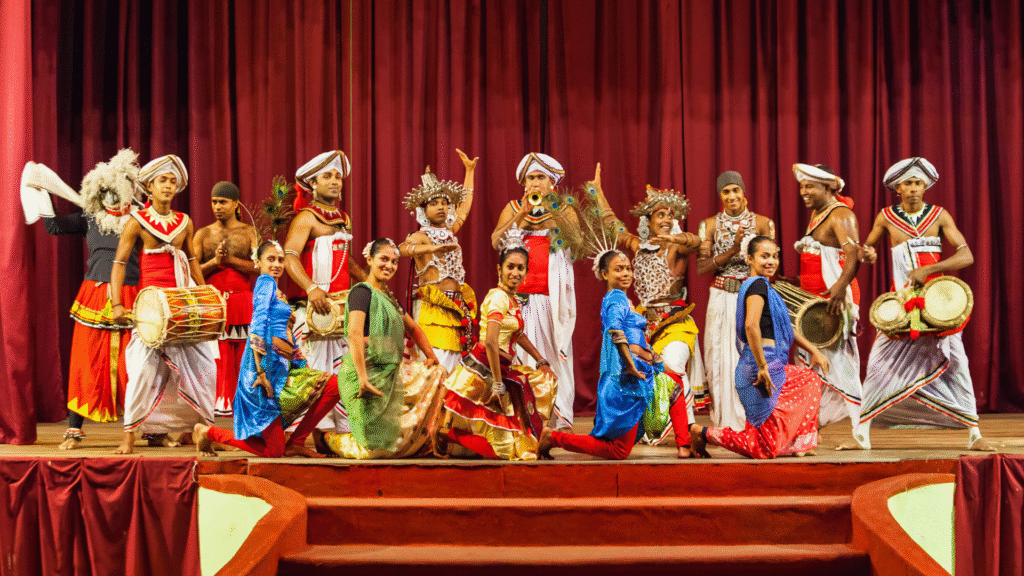
Local dance and music traditions are essential components of cultural heritage that reflect the values and stories of communities. These traditions serve as vital vehicles for artistic expression and social interaction, connecting individuals through shared experiences and historical narratives. They illustrate how cultural practices evolve while preserving the essence of a community’s identity.
Across various regions, unique dance forms and musical styles emerge, each telling a distinct story. From folk dances that celebrate seasonal changes to rhythmic music that accompanies local festivals, these practices foster a sense of belonging and continuity among community members. They not only allow individuals to express themselves artistically but also strengthen social bonds that are crucial for cultural preservation.
By exploring local dance and music traditions, one uncovers a rich tapestry of influences that shape societal values and foster a deep appreciation for cultural diversity. Engaging with these traditions not only enhances personal enjoyment but also contributes to the ongoing narrative of cultural expression in society.
Historical and Cultural Context of Dance and Music Traditions
Dance and music traditions have deep historical roots and play a crucial role in expressing cultural identities. These art forms reflect communities’ values, heritage, and social structures, contributing to a rich cultural tapestry.
Evolution of Traditional Dances
Traditional dances have evolved over centuries, influenced by historical events, migration, and cultural exchanges. They often vary by region, incorporating distinct movements and styles that represent local customs and stories. For instance, the Flamenco of Spain combines elements of Gypsy, Moorish, and Andalusian heritage, showcasing intricate footwork and expressive hand movements.
In many cultures, traditional dances serve as a mode of storytelling, allowing communities to pass down their history through generations. As societies change, so do their dances, blending modern influences while preserving core elements. This evolution illustrates how cultural identity adapts while maintaining connections to the past.
Traditional Music and Storytelling
Traditional music intricately weaves together melodies, rhythms, and lyrics, often used for storytelling. Folk music captures the essence of a community’s experiences and emotions, allowing collective narratives to be told through song. Instruments like the guitar, drums, and flutes provide a unique sound that varies significantly from one culture to another.
Storytelling in music often carries lessons, morals, or historical accounts, reinforcing community values. For example, Native American songs frequently recount tribal histories or natural phenomena, fostering a strong sense of identity. Through these musical expressions, communities sustain their cultural heritage, ensuring that stories endure over time.
Ritual and Ceremonial Significance
Dance and music hold profound significance in rituals and ceremonies across various cultures. They often mark important life events, such as weddings, births, and harvests. For instance, the Māori haka combines dance and chanting to honour traditions and convey strength before significant gatherings.
In many instances, these performances are intended to connect with spiritual beliefs or deities. Ceremonial music and dance offer a communal experience, allowing participants to engage with their cultural heritage actively. The impact of these traditions extends beyond entertainment; they reinforce social bonds and collective identities within communities.
Diversity and Variation in Dance Forms
Dance forms present a rich tapestry of cultural expression, showcasing a variety of styles influenced by geography, tradition, and social context. The diversity in local dance traditions reflects unique stories, rituals, and collective identities.
Folk and Ethnic Dance Variations
Folk and ethnic dances often reflect the heritage of specific communities. Traditional dances, such as circle dances and line dances, serve as vehicles for storytelling and cultural preservation.
In India, classical forms like Bharatanatyam and Kathak intertwine intricate footwork with expressive gestures. Each region contributes distinctive styles, demonstrating local characteristics through dress, music, and movement.
Contrastingly, in European traditions, dances like the contra involve community participation and lively interaction. These dances adapt to incorporate local music while maintaining foundational patterns and steps unique to their origins.
Influence of Religion and Mythology on Dance
Dance movements often carry significant religious symbolism, particularly in cultures where dance forms celebrate deities or mythological events. In Hindu mythology, many dances narrate stories of gods and goddesses through specific gestures known as mudras.
Religious ceremonies frequently include dance, merging spiritual expression with communal celebration. This link to mythology creates a deeper understanding of cultural values and beliefs, as seen in performances dedicated to fertility or seasonal changes.
The movements in these dances not only entertain but also serve as a form of devotion, engaging the community in shared spiritual experiences.
Contemporary Dances and Their Roots
Contemporary dance forms often draw inspiration from traditional styles while integrating modern elements. Choreographers creatively blend techniques from various global dances, highlighting the evolution of cultural exchanges.
Street dances, emerging from urban environments, showcase rhythms and movements that reflect societal trends. Dance forms like hip-hop often incorporate elements from traditional folk dances, emphasising the importance of cultural diversity.
At the same time, long-standing institutions play a crucial role in safeguarding highly codified styles such as classical ballet. These companies not only stage repertory performances that preserve technique and repertoire, but they also run educational programmes for students and curious audiences.
For readers interested in the rigorous training, historical context and living traditions of Russian classical ballet, a professional organisation is a useful starting point to learn dance and see how those formal lineages inform contemporary practice.
These modern interpretations maintain a connection to their roots, revealing the ongoing conversation between past and present as communities navigate their identities. The fusion of traditional and contemporary influences signifies a dynamic landscape of dance that continues to evolve.
Music’s Role in Dance and Community
Music serves as a fundamental element in the expression of dance and the forging of community connections. Various genres and styles bring people together, enhancing cultural events and local traditions.
Music-Dance Relationship
The relationship between music and dance is symbiotic. Music establishes the rhythm, tempo, and mood, while dance gives physical form to these elements. Traditional music genres, such as folk and mariachi, often feature specific rhythms that dictate particular dance styles, such as line dance or circle dance. This interconnection highlights the cultural heritage of communities, where intricate footwork and movement are choreographed to match the musical composition. Improvisation in dance allows for personal expression, showcasing how individuals interpret music uniquely, yet collectively contribute to communal experiences.
Folk Music and Social Bonds
Folk music plays a crucial role in strengthening social bonds within communities. Through communal activities like dance, participants share experiences that foster relationships and cultural identity. This genre often tells stories reflective of local traditions and values, making it a vital component of cultural events. As people gather to enjoy such music, they often engage in traditional dances that require coordination and participation. This active involvement deepens connections among community members, as each individual contributes to a shared goal, reinforcing their communal ties and celebrating their cultural heritage.
Theatrical and Live Performance Traditions
Theatrical and live performances present another important aspect of music’s role in dance. These events often blend various genres, including hip-hop, country music, and African music, creating a dynamic atmosphere. The use of music in performances enhances engagement, allowing audiences to feel the rhythm and become part of the experience. Performers may incorporate improvisation, showcasing their artistic skills while inviting the audience to join in. Such performances highlight the versatility of music and dance and demonstrate their power to entertain, educate, and unite people across different backgrounds.