
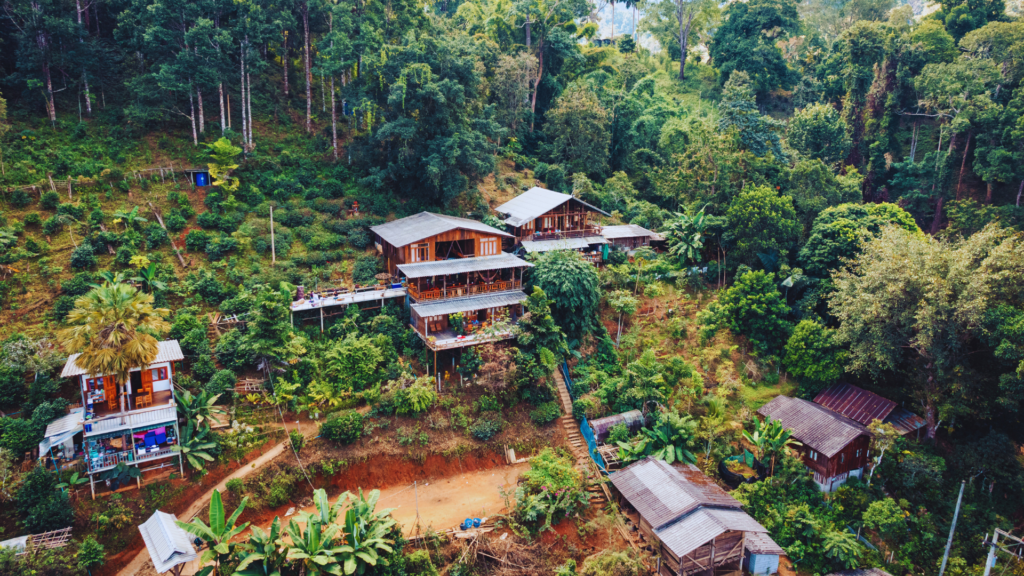
Exploring new cultures through travel offers individuals a unique opportunity to connect with the essence of a place. Staying in local homestays is one of the most effective ways to achieve true cultural immersion, as it allows travellers to engage directly with local customs, traditions, and lifestyles. This authentic travel experience enriches their understanding and appreciation of different societies.
In local homestays, visitors often become part of a family or community, leading to meaningful cultural exchange. They can learn local cooking techniques, participate in traditional festivities, or converse with residents about their daily lives. This depth of interaction provides insights that simply cannot be gained from standard hotels or tourist resorts.
Choosing a homestay can transform a trip into a profoundly personal adventure. By opting for this path, travellers not only support local economies but also leave with lasting memories and insights that inspire a deeper connection to the world around them.
Exploring the Essence of Cultural Homestays
Cultural homestays provide a unique opportunity to engage deeply with local customs and lifestyles. They foster personal growth and cultural understanding through authentic experiences that go beyond traditional tourism.
Defining Cultural Immersion Through Homestays
Cultural immersion in homestays involves living alongside local families, sharing their daily routines, and participating in cultural practices. This experience allows guests to delve into the genuine aspects of a community, fostering a connection that typical hotels cannot offer.
Activities may include cooking local dishes, attending festivals, or learning traditional crafts. By engaging directly with local culture, guests gain insights that promote a richer understanding of the region’s history and values.
Cultural immersion not only enhances the travel experience but also encourages respect and appreciation for diverse ways of life.
Benefits of Choosing a Local Homestay
Opting for a local homestay presents numerous benefits that cater to both travellers and hosts. Firstly, it provides an authentic travel experience, immersing guests in the local way of life while offering personalised interactions that are often missing in commercial settings.
Guests experience local cuisine, customs, and language in a way that fosters deeper connections. The homestay model supports local economies by encouraging travellers to spend money in the community, benefiting market vendors and artisans.
Moreover, staying with locals cultivates friendships that can last a lifetime, enhancing the overall satisfaction of the travel experience.
The Role of Homestays in Sustainable Tourism
Homestays play a significant role in promoting sustainable tourism practices. By allowing travellers to reside in local homes, they help reduce the environmental impact associated with large hotels and resorts.
This type of tourism conserves resources and supports local economies. It promotes cultural preservation by encouraging communities to maintain their traditions in the face of globalisation.
In addition, cultural homestays raise awareness about environmental and social issues within the regions they represent. This awareness can lead to more responsible travel choices, benefiting both visitors and the communities they engage with.
Planning Your Homestay Adventure
Planning a cultural homestay requires careful consideration to ensure an enriching and immersive experience. Selecting the right homestay and overcoming language barriers are essential steps in this journey, along with practical travel tips.
Choosing the Right Cultural Homestay
Selecting the appropriate cultural homestay is crucial for an authentic experience. Research potential homestays through reputable websites or local recommendations focusing on families known for their hospitality. Read reviews to gauge previous guests’ experiences.
When deciding, consider your interests—whether they align with local customs, traditional cuisine, or specific cultural practices. Additionally, verify the hosts’ language skills. A host who speaks some English can facilitate smoother communication while providing opportunities for language immersion.
Finally, reflect on location. Staying in a vibrant neighbourhood may enhance the experience through local interactions and events.
Overcoming Language Barriers
Language barriers can pose challenges during a homestay. However, there are strategies to facilitate communication. Firstly, consider taking language classes before the trip to learn basic phrases. This acts as a confidence booster and demonstrates respect for the local culture.
Utilising translation apps can also bridge gaps in communication. These applications allow for real-time translation, making conversations more manageable. Furthermore, engaging in non-verbal communication, such as gestures and facial expressions, can help convey messages when words fail.
Lastly, patience and openness contribute significantly to overcoming language barriers and fostering an environment conducive to connection and understanding.
Travel Tips for an Immersive Experience
For a successful homestay, preparation is vital. Begin by packing essential items, including appropriate clothing reflecting the local customs. Research local traditions to ensure behaviour aligns with cultural expectations.
Establish a daily routine involving your hosts. Participating in household activities, cooking, or attending community events can deepen immersion. This not only enhances cultural understanding but also establishes rapport with the hosts.
Moreover, documenting experiences through journaling or photography can enrich the travel experience. It allows travellers to reflect on cultural nuances encountered throughout the stay, fostering a deeper appreciation of the local way of life.
Engaging with Local Communities
Engaging with local communities enhances the homestay experience and fosters a deeper connection with local culture. Through active participation in festivals, volunteering opportunities, and forming relationships with host families, individuals can significantly enrich their understanding and appreciation of the area’s unique traditions.
Participating in Local Festivals and Community Events
Engaging in local festivals provides a vibrant glimpse into regional traditions. These events allow individuals to immerse themselves in music, food, and customs unique to the community.
For instance, joining in traditional celebrations, such as harvest festivals or cultural parades, enables participants to interact directly with locals. Visitors often enjoy local delicacies and witness unique performances.
Being part of these gatherings not only enhances cultural understanding but also strengthens community bonds. Locals may share stories and insights, creating an enriching experience that goes beyond sightseeing.
Contributing Through Volunteering
Volunteering offers a fulfilling way to engage with local communities. By dedicating time to community projects, individuals can make a positive impact while learning about local challenges and needs.
Opportunities range from assisting in conservation efforts to helping in schools or community gardens. This hands-on experience allows volunteers to connect with residents and understand the cultural dynamics at play.
Additionally, local organisations often welcome volunteers, seeing it as a chance to exchange skills and knowledge. This creates a mutually beneficial relationship that fosters understanding and collaboration.
Creating Meaningful Connections
Meaningful connections with host families and locals enhance the homestay experience. Sharing meals, stories, and experiences with host families allows visitors to grasp the nuances of everyday life.
These interactions often lead to lifelong friendships and insights into local customs and values. Engaging in conversations about local history and traditions promotes cultural exchange and understanding.
Additionally, joining community gatherings or groups can create further networking opportunities, enabling deeper connections and friendships. These relationships enrich the overall experience, making the stay memorable and culturally significant.
Living the Local Way
Immersing in local culture involves engaging deeply with the community’s traditions and practices. Visitors to homestays can experience authentic cuisine, learn about traditional crafts, and discover unique locations that may not be found in typical travel guides.
Experiencing Traditional Cuisine
Guests can live like locals by participating in cooking traditional meals alongside their hosts. These experiences often include sourcing fresh ingredients from local markets, allowing visitors to appreciate the quality of local produce.
Dishes vary widely by region and often reflect the area’s history and cultural influences. For example, in southern cooking, one might savour dishes like gumbo or jambalaya, while in northern areas, hearty stews or roasts may be more common.
Participating in communal meals also fosters connection. Sharing food brings people together, serving not just as nourishment but as a time for storytelling and cultural exchange.
Learning from Traditional Crafts and Ceremonies
Engaging with local crafts provides insight into a community’s heritage and skills. Many homestays offer hands-on workshops where guests can learn pottery, weaving, or woodwork.
Often, artisans will explain the cultural significance of their craft, connecting techniques to historical practices. For instance, in some cultures, specific patterns in textiles might tell stories or convey community symbols.
Participation in local ceremonies adds another layer to this experience. Festivals, rituals, or seasonal events allow visitors to witness and engage in cultural traditions, promoting mutual respect and understanding.
Discovering Off-the-Beaten-Path Locations
Venture beyond tourist hotspots to uncover hidden gems that reveal the true character of a community. Local hosts often guide guests to lesser-known attractions, from serene natural landscapes to quaint villages.
These destinations provide authentic experiences that reflect everyday life. For instance, visiting a local farm or a family-run market offers the chance to engage with residents and understand their daily routines.
Exploring off-the-beaten-path locations not only enriches the travel experience but also supports sustainable tourism. It helps preserve local traditions and supports the economy directly by benefiting small businesses and craftsmen.