
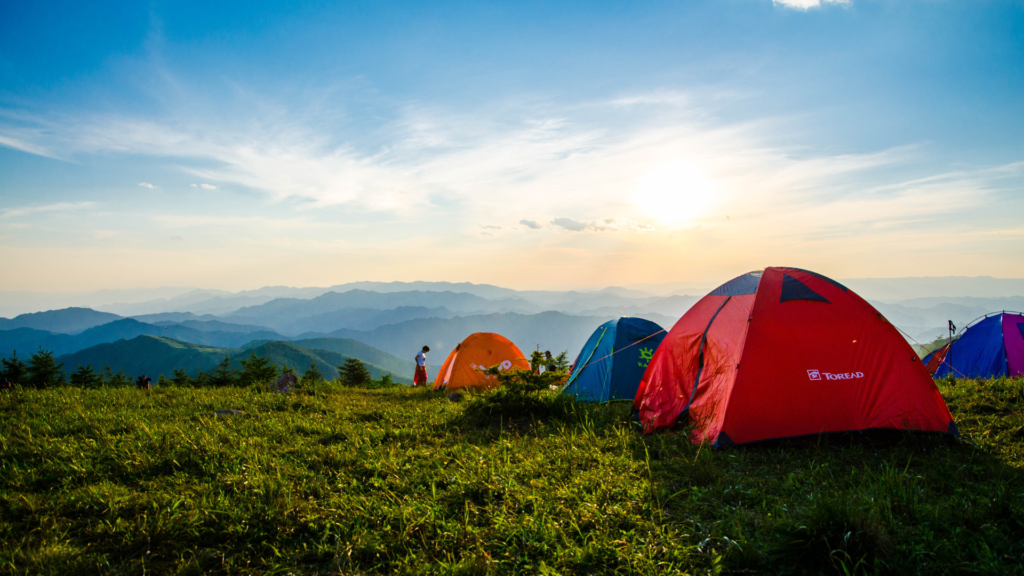
Wilderness camping offers an opportunity to connect with nature and escape the hustle of modern life. This is the message that companies such as Hatch Adventures put forward about unplugging from every day life and being part of nature again. Preparation is key to ensuring a safe and enjoyable experience in national parks and public lands. Key considerations include understanding the local environment, packing essential gear, and adhering to Leave No Trace principles.
Selecting the right campsite is crucial. Campers should look for flat ground, away from water sources, and well-ventilated areas to prevent hazards. Equally important is knowing the regulations and guidelines of specific wilderness areas to protect both the environment and the campers themselves.
With the right tips and knowledge, wilderness camping can become a rewarding adventure. Fostering a spirit of respect for nature not only enhances personal experiences but also sustains the beauty of these cherished landscapes for future generations.
Planning Your Wilderness Camping Adventure
Effective preparation is crucial for a successful wilderness camping trip. Key considerations include selecting an appropriate camping spot and understanding regulations regarding public lands and national parks.
Choosing Your Camping Spot
Selecting the right campsite directly influences the camping experience. Look for locations away from water sources and trails to ensure peace and privacy.
Ideal Features of a Campsite:
- Level Ground: Ensures comfort and stability for tents.
- Natural Windbreaks: Trees or rocks can provide shelter from the wind.
- Sun Exposure: A balance of sun for warmth and shade for cooling is beneficial.
Research the area’s geography and topography. Familiarity with the landscape aids in identifying potential hazards.
Apply the Leave No Trace principles to protect the environment. Camp at least 200 feet away from water sources to avoid contamination.
Understanding Public Lands and National Parks
Knowledge of regulations governing public lands and national parks is vital for responsible camping. Each location has specific rules that campers must follow to preserve nature.
Key Regulations:
- Permits: Some parks require permits for backcountry camping. Verify requirements in advance.
- Fires: Check restrictions on open fires; many areas limit or prohibit them.
- Wildlife: Respect wildlife; store food securely to avoid encounters.
It is essential to inquire about designated campsites versus dispersed camping options. National parks often have established areas for camping, while public lands may allow more flexibility.
Always check for updates on open/closed status due to seasonal changes or natural events. This preparation enhances safety and enjoyment during the trip.
Essential Gear for the Wilderness
When preparing for wilderness camping, selecting the right gear is crucial for safety and comfort. Key pieces include shelter options, essential backpacking items, and cooking equipment to ensure a successful experience in the great outdoors.
Shelter and Sleeping
A reliable shelter is vital for protection against the elements. Options include tents, hammocks, and tarps, all offering different levels of comfort and ease of setup.
- Tents should be waterproof and durable, with good ventilation. Look for features like a rainfly and a footprint to increase longevity.
- Hammocks provide a lightweight option, ideal for trees with less vegetation. Consider adding a rain cover for inclement weather.
- Sleeping bags are essential for warmth. Choose a bag rated for the season and climate. Insulation types like down or synthetic should be considered based on individual preferences.
Advisably, pack a sleeping pad or inflatable mattress for extra insulation and comfort while resting.
Backpacking Essentials
Packing efficiently is crucial for a successful wilderness outing. Important items include:
- Backpack: Opt for a lightweight, comfortable backpack, ideally with sufficient support and organisation features. A capacity of 50-70 litres is commonly suitable for multi-day trips.
- First Aid Kit: A comprehensive first aid kit should include bandages, antiseptic wipes, pain relievers, and any personal medication.
- Navigation Tools: A map and compass or GPS device are essential for orientation. Familiarity with these tools is critical for staying on track.
Additional gear such as multi-tools, additional layers of clothing, and hydration systems will contribute to a well-prepared backpacking experience, while having a solid state battery to hand, especially on longer trips, can ensure that all your devices remain charged in case of emergency.
Camping Stove and Food Storage
Cooking in the wilderness requires reliable equipment. A camping stove is important for meal preparation.
- Camping Stoves: Gas, butane, or wood-burning stoves each serve different cooking styles. Gas stoves offer convenience, while wood burners provide a more rustic experience.
- Cooking Utensils: A lightweight cooking set, including pots, pans, and utensils, is necessary. Consider packing a pot with a lid to conserve fuel.
- Food Storage: Proper food storage is essential to prevent attracting wildlife. Use airtight containers or bear canisters to keep food safe and secure.
Remember to pack snacks rich in energy for easy access while on the move.
Staying Safe and Responsible
Responsible wilderness camping prioritises safety and environmental conservation. Adhering to guidelines can ensure that campers protect themselves, respect wildlife, and leave the natural surroundings unchanged.
Leave No Trace Principles
The Leave No Trace principles are essential for minimising human impact on nature. Campers should practise the following key principles:
- Plan ahead: Choose a campsite wisely, considering the environment and potential impact.
- Travel and camp on durable surfaces: Stick to established trails and campsites to avoid trampling vegetation.
- Dispose of waste properly: Pack out all trash and dispose of human waste correctly, either by digging a cat hole or using a portable toilet.
These practices help preserve the environment for future campers and maintain the beauty of nature.
Wildlife and Food Storage
Proper food storage is crucial in preventing wildlife encounters. Campers should follow these guidelines:
- Store food securely: Use bear-proof containers or hang food from a tree at least 4 metres above ground and 2 metres from the trunk.
- Never feed wildlife: Feeding animals can alter their natural behaviour and lead to dangerous encounters.
- Cook and eat away from sleeping areas: Create designated zones for cooking and eating, ensuring that food odours do not attract wildlife to sleeping sites.
By respecting wildlife, campers can enjoy their experience without unnecessary risks.
First Aid Preparedness
Being prepared for medical emergencies is vital for a safe camping experience. Campers should consider these elements:
- Carry a comprehensive first aid kit: A well-stocked kit should include bandages, antiseptic wipes, pain relief, and any personal medications.
- Know basic first aid principles: Familiarity with CPR and treatment for common outdoor injuries, such as bites or sprains, is beneficial.
- Have an emergency plan: Establish a clear plan for communication and evacuation in case of an emergency.
Preparedness can make a significant difference in ensuring safety during wilderness camping.
Comfort and Enjoyment in the Wild
Ensuring comfort and enjoyment while camping in the wilderness involves effective lighting and battling bugs. These elements significantly enhance the overall experience, making it more pleasant and safer.
Effective Lighting
Good lighting is crucial for any camping trip, particularly for night-time activities. Using a mix of portable lanterns, headlamps, and string lights can create a comfortable atmosphere.
- Lanterns provide ambient light and can be used in communal areas for socialising.
- Headlamps offer hands-free lighting, ideal for cooking or navigating the campsite.
- String lights can add a decorative touch while providing manageable illumination.
Consider using LED lights since they are energy-efficient and have a long battery life. Carrying extra batteries is advisable to avoid darkness disrupting plans. Making sure the area is well-lit increases safety while moving around at night.
Battling Bugs with Insect Repellent
Insects can become a nuisance during camping trips, but effective use of insect repellent can make a significant difference. Choosing products with DEET, Picaridin, or natural oils such as lemon eucalyptus can effectively deter insects.
- Apply repellent on exposed skin, and reapply every few hours, especially after sweating.
- Consider wearing light-coloured clothing to make it harder for insects to target the wearer.
Bugs are more active near water sources and during dusk and dawn. Setting up camp away from these areas will help minimise encounters. Using screen tents or mosquito nets at night can also provide additional protection.