
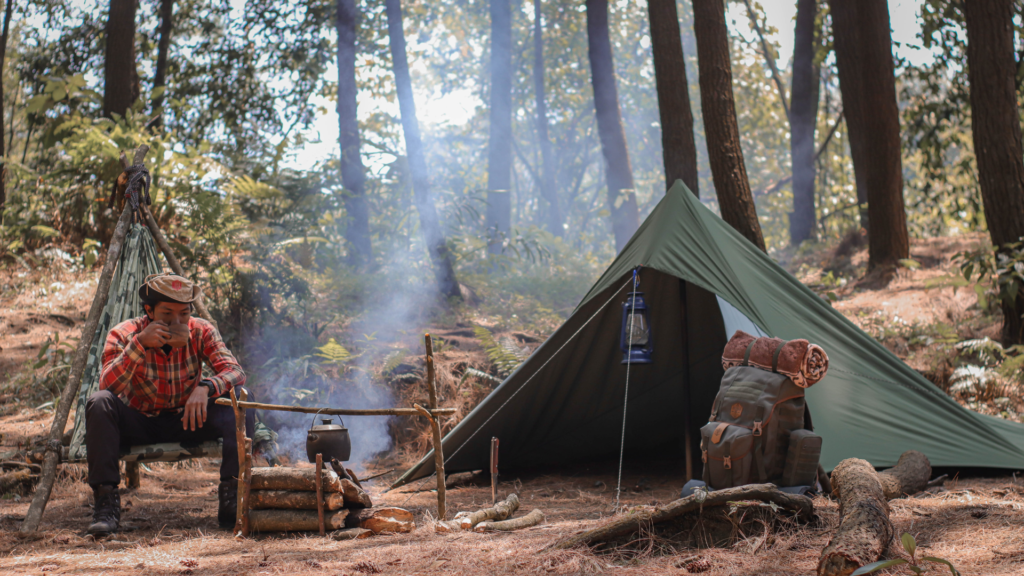
In the wild, understanding essential outdoor survival skills can mean the difference between life and death. Mastering skills such as fire-building, shelter construction, and foraging for food can empower individuals to navigate unexpected challenges in nature. With the right knowledge and training, anyone can feel more confident in their ability to survive in the great outdoors.
Exploring the fundamentals of survival can also provide valuable insights into risk assessment and resource management. Whether preparing for a hiking trip or a longer expedition, awareness of practical skills fosters a sense of security and readiness. Cultivating these abilities not only enhances outdoor experiences but also deepens an appreciation for nature.
Survival skills are not just for enthusiasts; they are practical tools valuable to anyone venturing into the wilderness. Developing these competencies encourages preparation and resilience, ensuring that adventures remain enjoyable and safe.
Essential Knowledge and Planning
Acquiring essential knowledge and planning enables effective preparation for outdoor survival. Understanding survival priorities and creating a comprehensive survival kit are fundamental aspects that can significantly influence outcomes in emergency situations.
Understanding Survival Priorities
Survival prioritisation is crucial in any emergency. The first rule is to address the three core needs: shelter, water, and food.
- Shelter: Protects against weather elements. Knowing how to quickly find or build a shelter can prevent exposure to environmental hazards.
- Water: Staying hydrated is vital. Identifying water sources and understanding basic purification methods can reduce the risk of dehydration and illness.
- Food: While not immediately essential, knowing what is edible in the wild can provide necessary energy. Familiarity with local flora and fauna can enhance foraging efforts.
Maintaining a positive mindset and situational awareness also plays a key role. These elements help individuals remain calm and focused, enabling them to make informed decisions.
Creating a Survival Kit
A well-thought-out survival kit can be a lifesaver. It should be tailored to individual needs and the environment. Key components include:
- Navigation tools: A map, compass, and GPS device are essential.
- First aid supplies: A basic first aid kit should include bandages, antiseptic wipes, and pain relievers.
- Fire-starting equipment: Waterproof matches or a lighter can be crucial for warmth and cooking.
- Multi-tool or knife: Useful for various tasks, from food preparation to shelter building.
The kit should also contain non-perishable food items, a water purification system, and a signalling device for emergencies. Regularly checking and updating the kit ensures it remains functional and relevant.
Securing Water and Food Resources
Access to clean water and nutritious food is critical for survival in the outdoors. Knowing how to find and purify water, along with foraging and hunting essentials, can make the difference between life and death in a survival situation.
Finding and Purifying Water
Water sources can include rivers, streams, lakes, and even rainwater. When searching for water, look for clear, moving sources, as stagnant water may contain harmful bacteria.
To purify water, use methods such as:
- Boiling: Bring water to a rolling boil for at least one minute.
- Filtering: Use cloth, coffee filters, or commercial filters to remove debris.
- Chemical purification: Tablets containing chlorine or iodine can be effective.
Dehydration can occur quickly, so it’s crucial to drink water regularly. Aim for at least 2-3 litres daily, depending on the environment and activity level.
Foraging and Hunting Essentials
Foraging for edible plants requires knowledge of local flora. Safe choices include:
- Wild berries: Raspberries, blackberries, and blueberries.
- Nuts: Acorns and hazelnuts can be nutritious after proper preparation.
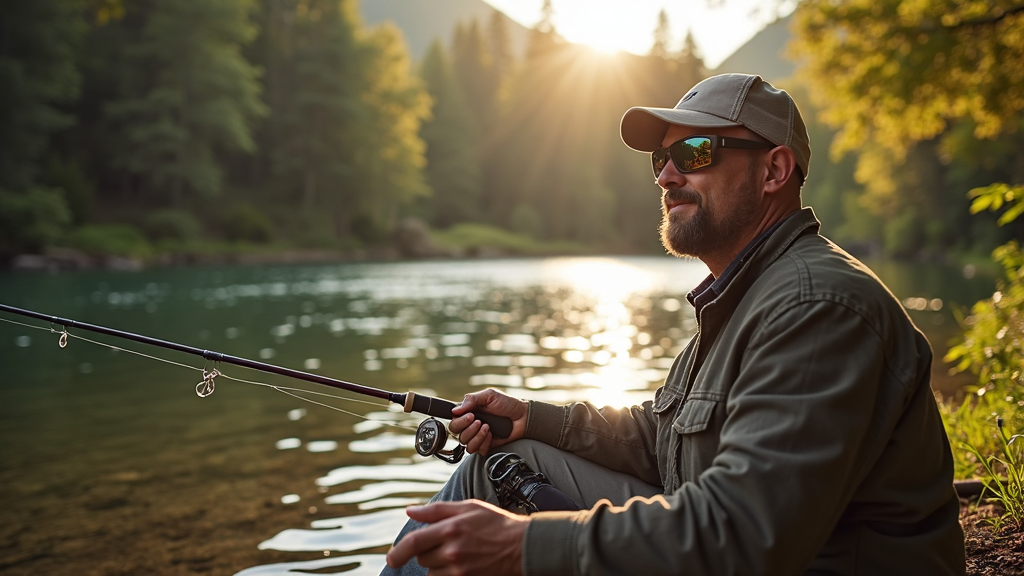
Fishing and hunting can also provide valuable additional food sources during your outdoor adventure. Basic fishing gear-like lines, hooks, and bait-can often be crafted from available materials if needed. For hunting, however, it’s essential to come prepared with the appropriate gear and the correct ammunition (browse low cost ammo here) for your firearm. Proper preparation not only increases your chances of success but also ensures a safe and efficient experience in the wild.
Acquiring quality equipment does not have to be expensive, especially when you look for pre-owned options. Many outdoor enthusiasts in Australia find reliable gear and firearms through trusted local classifieds. Platforms like https://gunbuy.com.au/ connect buyers with licensed dealers to make sure all transactions are safe and legal. This approach helps you get the right tools for your trips without spending too much money. Having the correct gear ready before you head out makes a big difference in your overall safety.
Shelter and Warmth
Creating effective shelter is vital for outdoor survival, particularly in changing weather conditions. Proper shelter protects from the elements and helps maintain body temperature. Key skills include selecting a suitable location and constructing natural shelters while ensuring warmth in harsh climates.
Selecting a Shelter Location
Choosing a shelter location is crucial for safety and comfort. The ideal site is away from hazards such as falling branches or flooding. Seek a flat, dry area to minimise exposure to moisture.
Consider nearby resources like water and firewood but avoid locations too close to these. Proximity to other people can also enhance safety.
Shelters should be positioned to block wind while utilising natural features such as hills or dense trees for added protection.
Building Natural Shelters
Natural shelters can be created using available materials like branches, leaves, and foliage. Common types include lean-tos, A-frames, and debris huts. A lean-to can be quickly built by leaning branches against a tree or rock.
For an A-frame, construct two slanted walls with branches and cover them with leaves or grass for insulation.
Ensure that the roof is adequately sloped to shed rain and snow. Using natural insulation helps maintain warmth within the shelter.
Keeping Warm in Harsh Conditions
Maintaining warmth is essential, especially in cold climates. Build a fire near the shelter, ensuring that it is safe and controlled. A well-constructed fire provides heat and can help cook food.
Layering clothing helps retain body heat. Use materials like wool or synthetic fabrics that insulate even when damp.
Insulating the ground with leaves or pine needles prevents heat loss. Avoid direct contact with cold surfaces, as this can lead to rapid heat loss.
By employing these strategies, one can significantly enhance their chances of staying warm and protected outdoors.
Navigation and Rescue
Mastering the art of navigation and understanding how to signal for help are crucial skills in outdoor survival situations. Navigating effectively requires knowledge of various tools and techniques, while the ability to signal for rescue can be a lifesaver in emergencies.
Mastering Navigation Techniques
Navigation skills are essential for successfully traversing the wilderness. Proven techniques include using a map and compass, which allows for accurate orientation.
Key navigation tools include:
- Compass: For determining directions.
- Topographic maps: Provide details on elevation and terrain.
- Natural landmarks: Such as mountains or rivers, can assist in orientation.
Celestial navigation is also valuable. Observing the position of the sun during the day or stars at night can help establish direction when other tools aren’t available.
Familiarity with navigation terms is important. For instance, knowing how to read contours on a map can provide insight into elevation changes, helping in route selection.
Signalling and Communication
In emergency situations, signalling for help can make a substantial difference. Various methods exist for effective communication with rescuers.
Common signalling techniques include:
- Whistles: Sound carries farther than voice.
- Reflective materials: Can catch sunlight to create signals.
- Flares or smoke signals: Generate visibility from afar.
Using ground markings, such as SOS, can alert aerial searchers. It’s crucial for individuals to remain calm and methodical when signalling.
Incorporating technology, like portable radios or satellite devices, can enhance communication capabilities. Providing clear and concise information helps rescuers locate individuals quickly.