
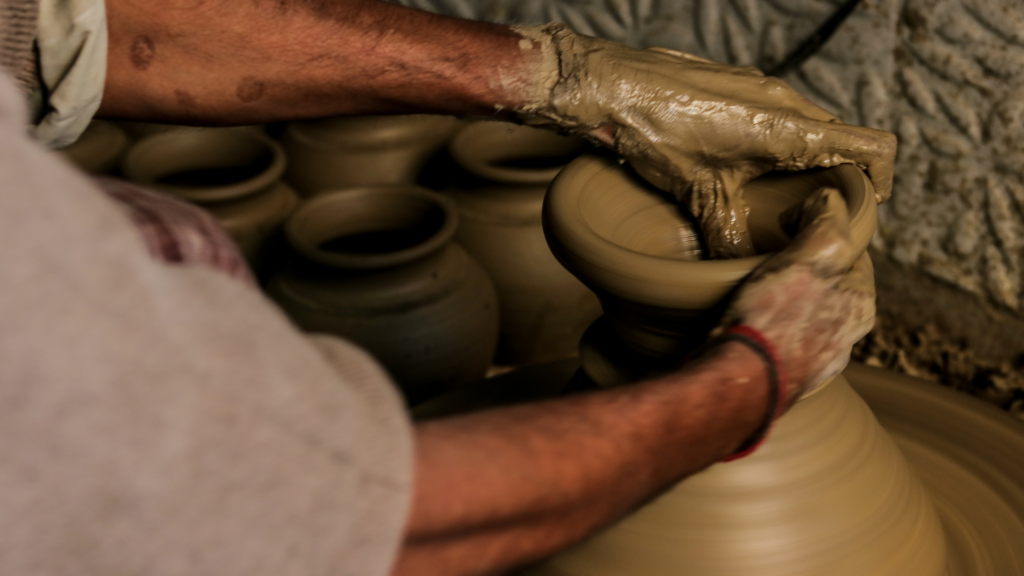
Artisan workshops offer a unique opportunity for individuals to engage with skilled craftspeople and learn new skills in a hands-on environment. Participating in these workshops not only fosters creativity but also provides a deeper appreciation for traditional crafts and techniques. Whether one is interested in pottery, woodworking, or textile arts, there is a workshop to suit various interests and skill levels.
These workshops can serve as a gateway to exploring a new hobby or even a potential career path. By immersing themselves in these experiences, participants gain practical knowledge that cannot be found in books or online tutorials. Additionally, the sense of community and collaboration in these settings often enhances the learning process.
For those keen on enhancing their skills or discovering a new passion, the wide range of artisan workshops available today invites exploration and personal growth. Each session promises not just the joy of creation but also the chance to connect with others who share similar interests.
The Art of Learning Through Craft
Hands-on artisan workshops provide unique opportunities for individuals to acquire new skills and embrace their creativity. Participants engage directly with various forms of craftsmanship, fostering personal growth and artistic expression.
Embracing New Skills
Through workshops, individuals can learn an array of skills from pottery to woodworking. Each experience allows them to explore their creativity while gaining valuable techniques.
Participants benefit from a structured environment where experienced artisans guide them in developing their craftsmanship. As they practice, they gain confidence and discover their artistic potential.
Problem-solving becomes a crucial aspect of the learning process, enabling participants to overcome challenges in their projects. This journey of skill acquisition often ignites a passion that can lead to a new hobby or lifelong talent.
The Joy of Creation
Creating something with one’s own hands brings immense satisfaction. The act of crafting allows for self-expression and can lead to a profound sense of mindfulness.
Engaging in hands-on activities encourages individuals to focus on the present moment, offering an escape from daily stressors. This state of flow enhances creativity and can lead to innovative ideas.
For many, the enjoyment derived from making art transcends the final product. It’s about the entire experience—from conception to completion—and the connections formed with fellow enthusiasts, reinforcing the sense of community within the crafting world.
Discovering Artisan Workshops
Exploring artisan workshops offers unique opportunities for hands-on experiences in various crafts. Participants can engage directly with skilled artisans, gaining insights into traditional techniques and modern innovations across multiple disciplines.
Jewellery and Metalwork
Jewellery and metalwork workshops provide an immersive experience in creating personal adornments. Participants typically learn essential skills such as soldering, stone setting, and metal shaping.
Workshops often include a range of materials, such as silver, gold, and various gemstones. Attendees can explore design concepts and techniques that allow for individual expression. Blacksmithing sessions may also be included, where participants can craft items like rings or pendants using traditional methods.
Courses are geared toward all skill levels, ensuring that beginners and experienced artisans alike can develop their craftsmanship.
Leatherwork and Textiles
Leatherwork and textile workshops focus on various techniques, from hand-stitching leather goods to creating unique fabric items. Participants can learn to make wallets, belts, bags, or even upholstery for furniture.
In these courses, attendees become acquainted with tools such as needles, threads, and cutting implements. They can explore materials like natural and synthetic leather or different fabrics that lend themselves to creative projects.
Experiences may also include sewing techniques and an introduction to zippers and other closures. The workshops encourage personal creativity while teaching traditional craftsmanship.
Glass and Ceramics
Glass and ceramics workshops allow participants to explore two fascinating mediums. In glass workshops, individuals can experiment with techniques such as stained glass, fused glass, and glass blowing.
Ceramics classes often cover hand-building, wheel-throwing, and glazing techniques. Attendees will create functional pottery or artistic pieces, gaining practical skills in shaping and finishing their creations.
From learning about kiln operations to experimenting with various glazing effects, these workshops promote creative inspiration and practical applications.
Woodwork and Stone Carving
Woodwork and stone carving workshops engage participants in the tactile and rewarding processes of shaping these materials. Woodwork often includes skills like joinery, carving, and finishing.
Participants may create items such as furniture, wooden utensils, or decorative pieces. Tools such as chisels, saws, and sanders are commonly used, with safety practices emphasised throughout the courses.
Stone carving provides a different challenge, requiring techniques to shape and finish stone. Workshops may explore both soft and hard stones, enabling participants to create sculptures or functional items. The hands-on nature of these experiences fosters a deep appreciation for craftsmanship.
Soap Making and Candle Crafting
Soap-making and candle-crafting workshops offer a creative outlet for those interested in everyday products. Participants learn techniques to create customised soaps using various scents, colours, and additives.
Courses often cover saponification processes and safe handling of materials, ensuring a thorough understanding of the craft. Attendees leave with their handmade soaps, equipped to replicate the process at home.
Candle crafting workshops provide similar enjoyment, with techniques for making scented, decorative, or functional candles. Participants can experiment with different waxes, wicks, and fragrances, resulting in personalised creations.
Both types of workshops highlight the joy of crafting functional products while developing practical skills.
Navigating Your Craftsmanship Journey
Embarking on a craftsmanship journey requires careful consideration of various factors. Choosing the right workshop, investing wisely, and connecting with artisan communities are essential steps to enhance the learning experience.
Selecting the Right Workshop for You
When selecting a workshop, individuals should identify their specific interests. Options range from pottery and woodworking to textile arts. Researching local courses and reviewing curriculum details helps potential participants align with their desired skills.
Key points to consider:
- Course Duration: Ensure the commitment fits your schedule.
- Skill Level: Look for workshops tailored to beginners, intermediates, or advanced artisans.
- Instructor Expertise: Research the background of experts leading the courses for quality assurance.
Gift vouchers can also be an excellent option for those uncertain about their preferences, allowing recipients to explore various crafts.
Investing in a Workshop Experience
Investing in a workshop experience involves evaluating both cost and value. Participants should assess what the fee includes—materials, tools, and additional resources. Cheaper workshops may not provide comprehensive instruction or quality tools.
Consider these factors:
- Materials Provided: Verify what is included in the course fees to avoid unexpected expenses.
- Location: Accessibility can influence participation, especially if commuting is necessary.
- Additional Activities: Workshops that offer supplementary events, like studio visits or guest speakers, can enhance understanding.
Evaluating these aspects ensures a worthwhile investment in personal growth and expertise.
Connecting with Artisan Communities
Building connections with artisan communities can enrich the craftsmanship journey. Engaging with local groups often leads to opportunities for collaboration and learning. These communities typically share resources, such as events and news about local craft fairs.
Ways to connect:
- Social Media: Platforms like Instagram and Facebook frequently host groups focused on various crafts.
- Local Events: Attend markets and exhibitions to meet artisans in person and learn about their practices.
- Workshops and Courses: Choosing group classes can facilitate networking with other enthusiasts who share similar interests.
Active participation fosters a sense of belonging and opens doors to new creative avenues.
Upcoming Workshops and Events in London
London hosts a vibrant array of artisan workshops and cultural events. Enthusiasts can participate in innovative sessions ranging from bookbinding to artisan markets, offering unique opportunities for hands-on learning and creativity.
Latest Workshops Announcements
Several recent workshops have been announced across London. One notable option is a book-binding workshop at the London Craft Club, scheduled for January 15, 2025. Participants will learn various binding techniques, including the Coptic and Japanese styles.
Another exciting workshop is the pottery session at Clayground, featuring both beginners and advanced classes running throughout January. Additionally, Wildflower, located in East London, offers floral arrangement workshops every weekend. Booking early is advised, as spaces fill quickly.
Cultural Events and Artisan Markets
London’s artisan markets provide a fantastic platform for both learning and shopping. The Spitalfields Market hosts regular events featuring handmade crafts and local artisans, with upcoming dates in early January 2025.
The Artisan Festival at the Southbank Centre will showcase a diverse range of workshops, allowing participants to engage with crafts like leatherworking and jewellery making. Visitors can expect live demonstrations and the opportunity to purchase unique handmade products, enhancing the cultural landscape of the city.
Booking Information and Gift Options
Booking for workshops in London is generally straightforward. Most venues offer online reservations through their websites. It’s advisable to check cancellation policies and any materials participants may need to bring.
Gift vouchers for workshops are popular, especially for birthdays and special occasions. Venues like the London Craft Club and Clayground provide voucher options that can be easily purchased online. These vouchers can often be customised, providing a thoughtful gift for craft enthusiasts.