
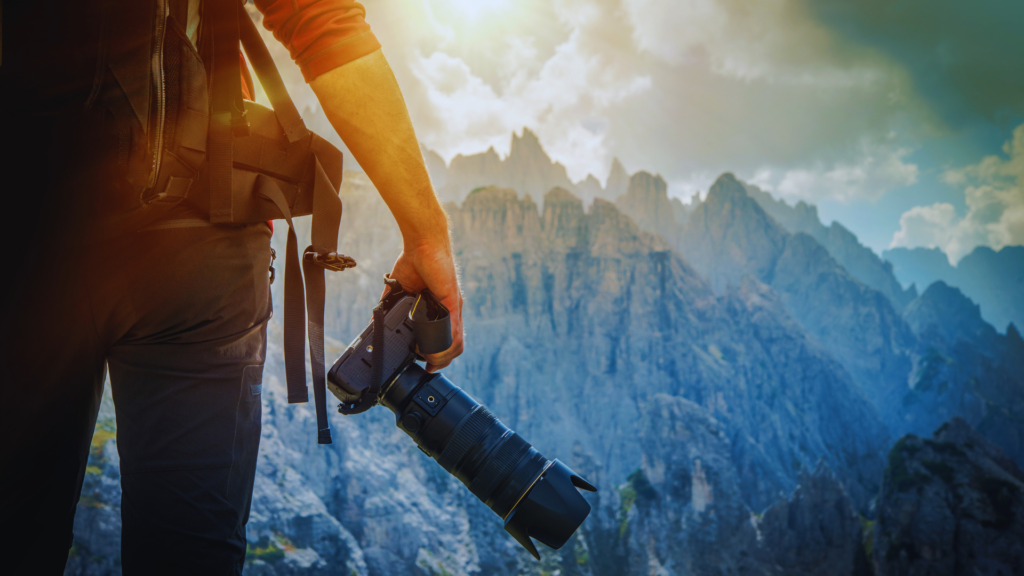
Nature photography offers a unique opportunity to capture the beauty of the world around us. Utilising the right techniques can greatly enhance the quality of nature photographs. From understanding lighting and composition to selecting the best equipment, these elements can transform ordinary scenes into stunning images.
For those looking to improve their skills, a few key tips can make a significant difference. Paying attention to the time of day can help photographers capture the best light while experimenting with different angles can reveal new perspectives of familiar landscapes. Clear guidance on these topics can empower budding photographers to take their work to the next level.
Embracing patience and persistence is essential in nature photography. Subjects are often unpredictable, and waiting for the right moment can lead to extraordinary shots. By focusing on preparation and observation, photographers can create images that resonate with viewers and convey the essence of the natural world.
Essential Equipment for Nature Photography
To capture the beauty of nature effectively, selecting the right equipment is crucial. A combination of a good camera and lenses along with sturdy support equipment can enhance photographic results significantly.
Choosing the Right Camera and Lenses
When selecting a camera for nature photography, both DSLR and mirrorless options are viable. DSLR cameras are known for their robust build and extensive lens options. They often excel in battery life and optical viewfinders. In contrast, mirrorless cameras are lighter, offer faster shooting speeds, and possess advanced autofocus systems.
Lens choice impacts composition significantly. Zoom lenses provide versatility, allowing a range of focal lengths in a single lens. For wildlife photography, telephoto lenses are essential, delivering close-up shots from a distance. For capturing intricate details, macro lenses excel. To photograph expansive landscapes, wide-angle lenses are ideal.
Support Equipment: Tripods and More
Stability is key in nature photography, making tripods an essential piece of equipment. A sturdy tripod prevents camera shake during longer exposures, especially in low light. Lightweight, portable tripods are particularly beneficial for hikers and those venturing into remote locations.
In addition to tripods, consider using a gimbal head for smoother panning when tracking moving subjects. Nature photographers should also carry a lens cleaning kit to maintain clarity in dusty or wet environments. Finally, a sturdy camera bag is vital for protecting equipment from the elements while allowing easy access during shoots.
Technical Aspects of Capturing Nature
Capturing the beauty of nature requires a solid grasp of technical skills. Key elements include mastering camera settings and understanding how light affects exposure and focus.
Mastering Camera Settings
The right camera settings significantly influence the quality of nature photographs. Using Aperture Priority Mode allows photographers to control the aperture while the camera manages the shutter speed, achieving optimal exposure.
Shutter speed is crucial when photographing moving subjects. Fast shutter speeds (e.g., 1/500s) can freeze motion, while slower speeds create motion blur. Photographers should adjust settings based on conditions and desired effects.
Utilising Burst Mode can also be beneficial. This feature captures multiple frames per second, increasing the chances of getting the perfect shot of wildlife or changing weather conditions.
Understanding Light and Exposure
Natural light plays a pivotal role in photography. The Exposure Triangle—comprising aperture, shutter speed, and ISO—affects the brightness of images.
Photographers should take note of the golden hour, shortly after sunrise or before sunset, when light is soft and warm. During these times, shadows are less harsh, lending a pleasing quality to images.
Adjusting the ISO can help in various lighting conditions. A lower ISO suits bright environments, while a higher ISO is necessary for low-light settings, but be wary of increased noise at very high settings.
Focus Techniques for Sharp Images
Achieving sharp focus is essential in nature photography. Using AF-C (Continuous Autofocus) is recommended for moving subjects. This mode continuously adjusts focus, ensuring sharp images even as the subject moves.
For static subjects, Manual Focus may provide better control. This technique allows the photographer to fine-tune the focal point, particularly effective in macro photography or landscapes.
Utilising Live View can assist in achieving precise focus, especially in tricky lighting scenarios. It allows photographers to assess focus accuracy before taking the shot and is particularly useful for delicate compositions.
Composing and Framing Your Shots
Effective composition and framing can elevate nature photographs by capturing subjects in a compelling way. Key techniques, including the Rule of Thirds and the use of natural elements, play crucial roles in achieving striking images.
The Art of Composition
Composition is fundamental in photography, influencing how a viewer perceives an image. The Rule of Thirds is a popular guideline, dividing the frame into a three-by-three grid. Important elements should be placed along these lines or at their intersections.
Depth of field is also essential; controlling it allows for background blur that isolates the subject. Photographers often favour a shallow depth of field to enhance the focus on textures and patterns in nature.
Utilising an engaging perspective can result in unique angles that draw interest. Experimenting with low or high vantage points can provide depth and context, enriching the overall visual narrative.
Utilising Natural Elements
Incorporating natural elements into a photograph can enhance its visual appeal. Foreground elements add depth, leading the viewer’s eye into the scene. These can include rocks, plants, or water features that frame the main subject.
Golden Hour and Blue Hour provide ideal lighting for nature photography, imparting warm or cool tones that enhance colours. The striking contrasts during these times can highlight textures and patterns in landscapes.
Additionally, considering the spatial relationship of elements within the frame is crucial. Composing shots to include lines, leading the eye through the image, adds dynamism. Recognising and utilising these natural elements effectively makes for engaging, well-composed photographs.
Post-Production and Sharing
Post-production is a crucial phase for nature photographers, allowing them to refine their images for maximum impact. Sharing their work effectively can also enhance visibility and professional opportunities.
Editing and Enhancing Photos
Post-processing elevates nature photographs by correcting colour, contrast, and sharpness. Software like Adobe Lightroom and Photoshop are popular choices for this purpose.
Key editing steps include:
- Cropping: Focus on the main subject while improving composition.
- Adjusting Exposure: Ensures that highlights and shadows are balanced.
- Colour Correction: Accurate colours enhance the natural beauty of the scene.
Using tools like presets in Lightroom can streamline this process. Nature photographers should aim to maintain realism while enhancing visual appeal, avoiding over-editing that may distort the subject.
Publishing and Promoting Your Work
Once edited, sharing photographs effectively is essential for reaching a wider audience. Choosing the right platforms can make a significant difference.
Consider the following options:
- Social Media: Platforms like Instagram and Facebook are ideal for showcasing visual work.
- Photography Websites: Creating a personal portfolio on sites such as 500px or SmugMug can attract potential clients.
- Blogging: Sharing stories behind the images can engage viewers and improve search engine visibility.
Engagement with other photographers and participating in online communities can also foster connections and open career opportunities. Regularly updating content keeps the audience interested and builds credibility in the nature photography field.